Resorts/Colorado/Vail
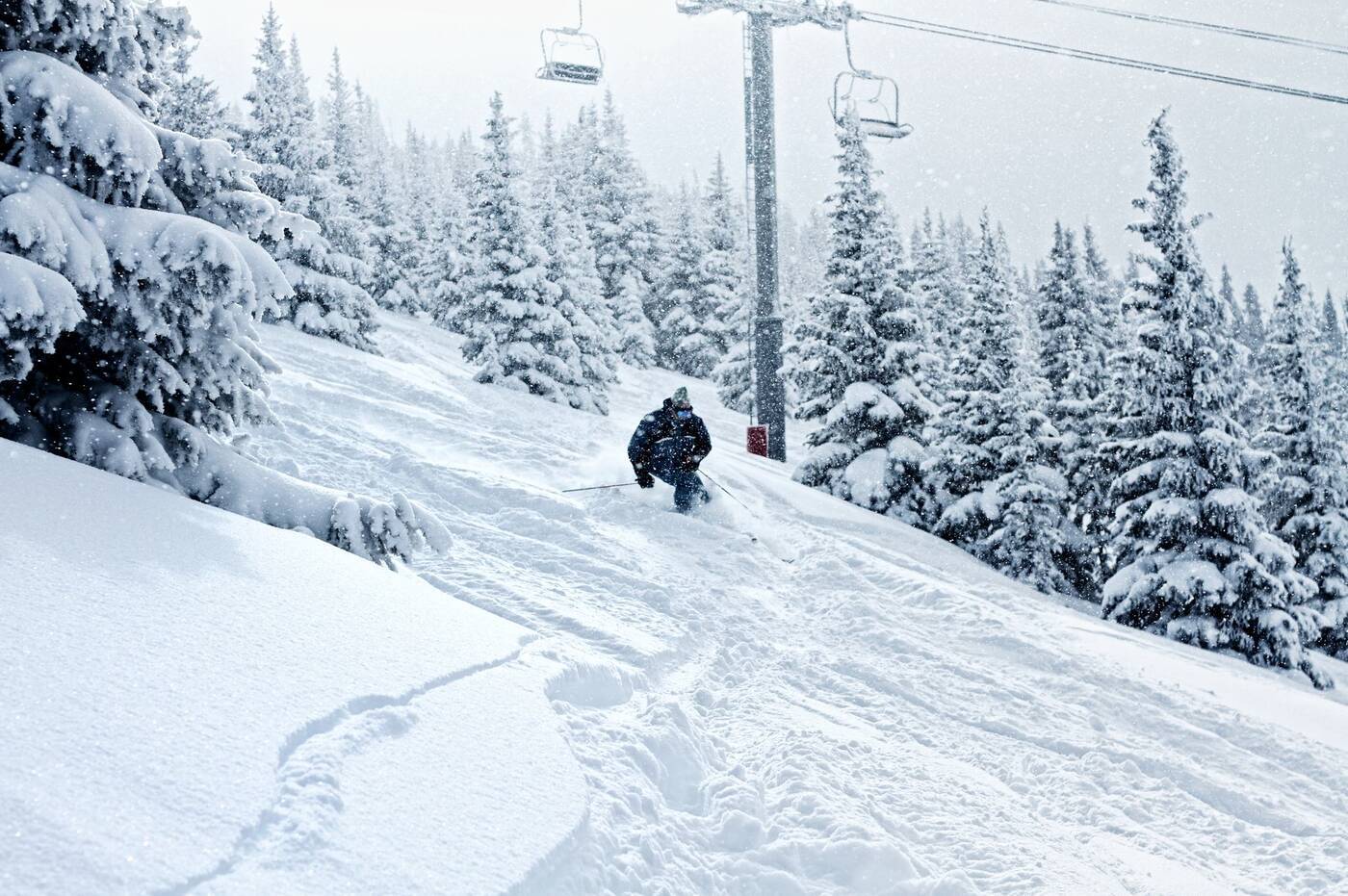

Vail is accessible on Epic Pass.
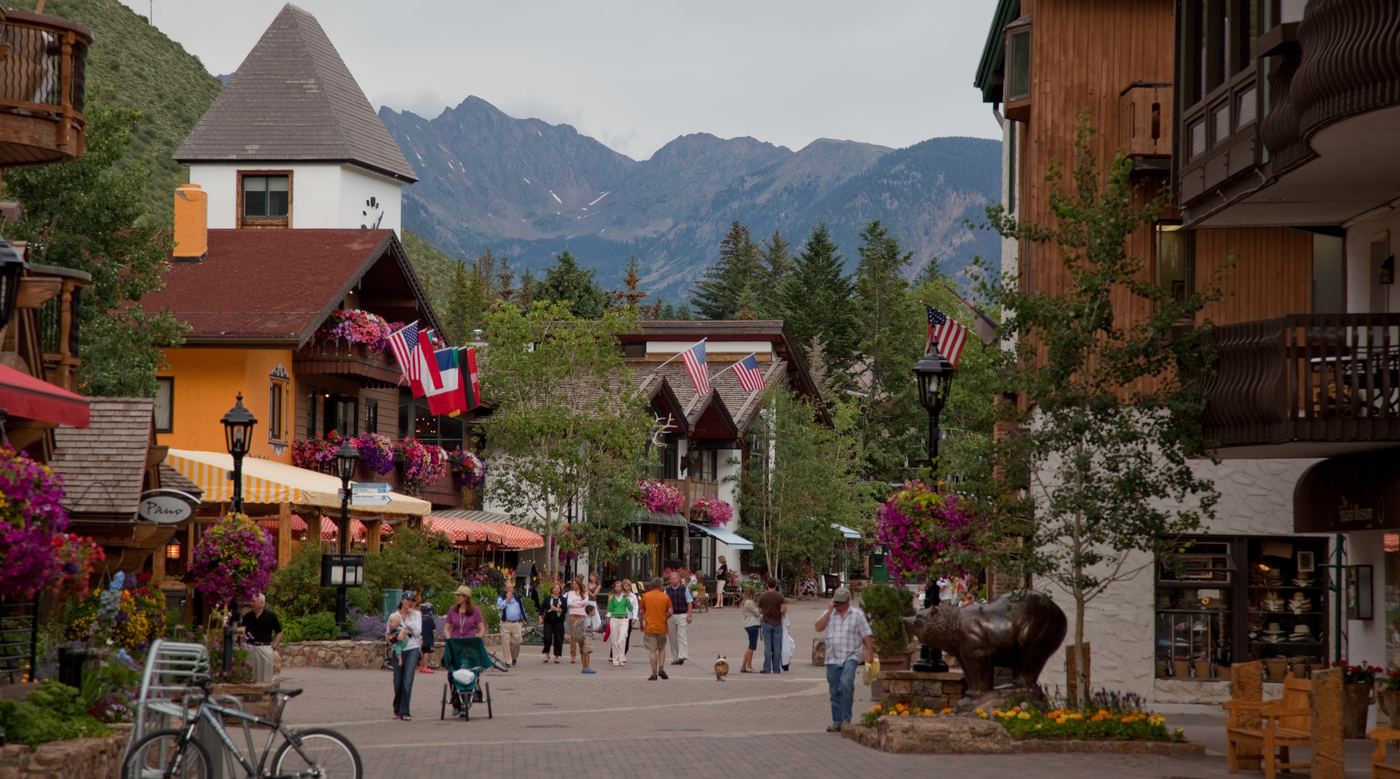
Gore Creek Drive & Bavarian chalets
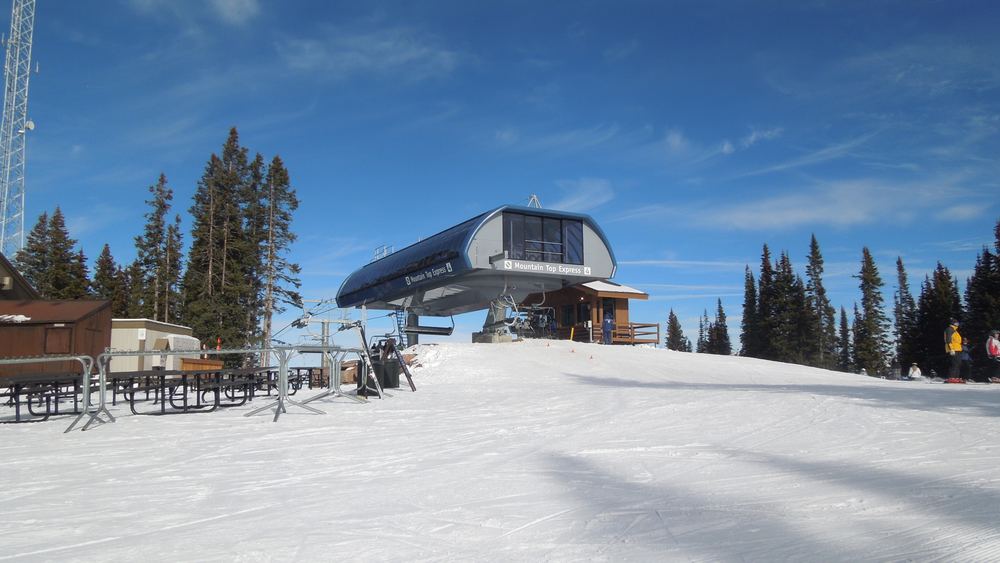
Mountaintop Express & alpine bowls
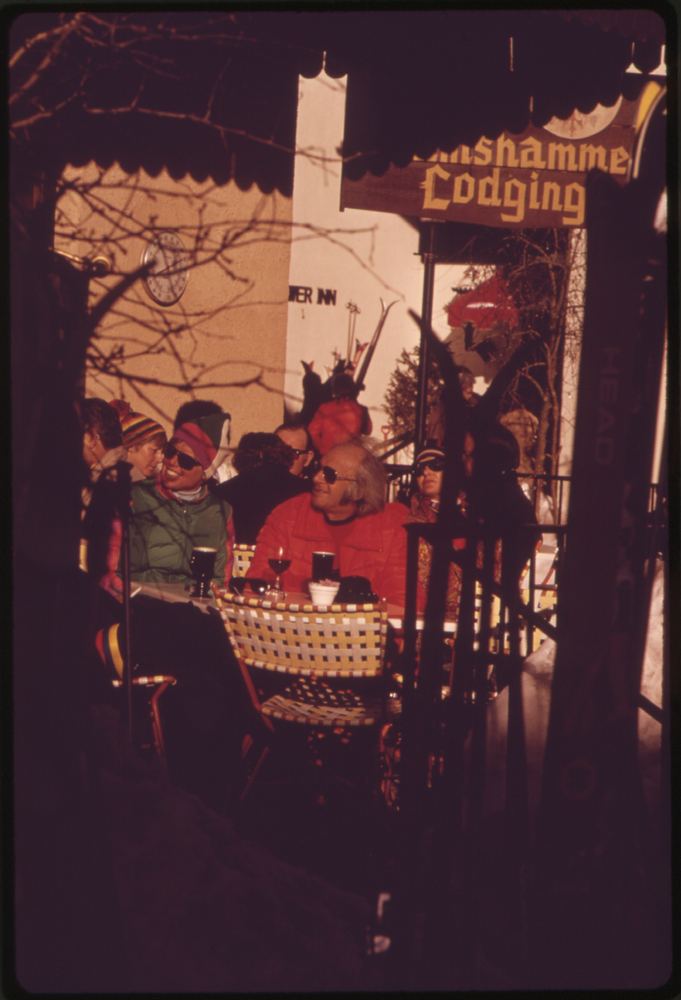
Pepi's outdoor deck & Bridge Street
Vail Ski Flock Score
The Ski Flock Score is an editorial rating synthesized from geographic terrain metrics, historical snowfall reliability, town transit infrastructure, and on-mountain and village evaluations: not user-generated review farms or fabricated counts.
The Highlights
Why destination skiers choose Vail- ✓Unrivaled scale: 5,289 contiguous acres spanning seven legendary Back Bowls and Blue Sky Basin
- ✓World-class grooming network with endless high-speed cruiser laps off Mid-Vail and Mountaintop
- ✓Genuinely pedestrian-only Bavarian base villages with heated cobblestones and zero auto traffic
- ✓Premier culinary and après scene anchored by The 10th, Sweet Basil, and Pepi's historic deck
- ✓Exceptional value on the Epic Pass for skiers logging 5+ days across the season
- ✓Convenient 35-minute access from Eagle County Regional Airport (EGE) with zero mountain pass crossings
The Trade-Offs
Friction points to plan around- ✕Punitive single-day walk-up ticket window pricing routinely exceeding $295–$325/day
- ✕Severe I-70 corridor weekend traffic choke points between Denver and the Eisenhower Tunnel
- ✕Substantial mid-winter lift lines at peak pinch points (Gondola One, Chair 4, and Chair 5)
- ✕South-facing Back Bowls crust over quickly after freeze-thaw cycles before softening
- ✕Peak village lodging rates and premium resort parking ($45–$60+/day) create high trip costs
- ✕Epic Local Pass imposes holiday blackout dates and a strict 10-day cap combined with Beaver Creek
Vail is the undisputed colossus of North American skiing. Spanning 5,289 permitted skiable acres across a seven-mile ridge in Colorado's Gore Valley, it established the modern blueprint for the mega-resort: seamless high-speed lift networks, expansive European-inspired pedestrian base villages, and high-alpine acreage that dwarfs virtually every competitor on the continent. Anchored by its legendary Back Bowls and the remote glades of Blue Sky Basin, Vail delivers an immense canvas of groomers, open powder fields, and upscale resort infrastructure that sets the benchmark for the North American luxury ski vacation.
Vail is the defining benchmark of the North American mega-resort, offering an unmatched 5,289 skiable acres that seamlessly connect manicured front-side groomers, seven legendary high-alpine Back Bowls, and the remote wilderness glades of Blue Sky Basin. Its heated-cobblestone pedestrian villages deliver high-caliber dining, storied après decks, and five-star luxury lodging with an ease of logistics few resorts can rival. However, that prestige commands eye-watering walk-up lift ticket rates, elevated lodging prices, and severe weekend pinch points at central lift portals. For intermediate-to-advanced skiers holding an Epic Pass who value sheer boundary-to-boundary scale and alpine polish, Vail remains essential skiing; budget travelers and hardcore steep-and-deep purists will find better value and rowdier terrain elsewhere.
Who It's For & Who It's Not For
Honest trip compatibility: understanding mountain character and traveler match before booking.
Who It's Built For
- ✓Cruiser and Bowl Enthusiasts: Confident intermediates and advanced skiers who thrive on expansive, perfectly graded blue cruisers, wide-open treeless bowl skiing, and sun-lit glades without extreme exposure.
- ✓Pedestrian Village Seekers: Travelers who prioritize an authentic alpine strolling atmosphere with heated sidewalks, zero car traffic, luxury boutiques, and ski-to-cocktail convenience.
- ✓Luxury & Culinary Travelers: Destination guests seeking five-star hospitality (Sonnenalp, Four Seasons, The Arrabelle), renowned wine cellars, and on-mountain slipper-service dining like The 10th.
- ✓Epic Pass Maximizers: Multi-resort pass holders looking to extract maximum mileage and value from their winter pass investment on premier western acreage.
Who It's NOT For
- ✕Budget-First Skiers: Travelers reliant on walk-up lift tickets ($250–$300+ per day at the window) or looking for cheap motels within walking distance of the snow.
- ✕Hardcore Extreme Freeriders: Skiers demanding sustained 45-degree technical chutes, mandatory cliff airs, and terrifying couloirs; resorts like Jackson Hole, Snowbird, or Crested Butte offer significantly more punishing topography.
- ✕Humble Mountain Purists: Those who recoil at corporate resort operations, designer skiwear, heated outdoor escalators, and crowded mid-mountain lift mazes on holiday weekends.
- ✕Disorganized Powder Chasers: Skiers who fail to navigate terrain timing and end up stranded in the Mid-Vail lift funnels when the Back Bowls draw front-range crowds on Saturday mornings.
Terrain Character & Signature Zones
Vail’s terrain is defined by its horizontal breadth rather than severe, vertical precipices. With 3,450 feet of vertical drop and 31 lifts, the mountain divides into three distinct zones that each cater to specific skiing rhythms:
| Mountain Zone | Acreage | Character & Vibe |
|---|---|---|
| Front Side | 1,627 Acres | Wide groomed cruisers, learning sectors, terrain parks, spruce & aspen glades |
| The Back Bowls | 3,017 Acres | Vast, treeless open bowls, morning powder stashes, warm spring corn |
| Blue Sky Basin | 645 Acres | Rugged backcountry flavor, natural contours, cliff drops, spaced timber glades |
1. The Front Side (1,627 Acres)
Rising directly above Vail Village, Lionshead, and Golden Peak, the Front Side is a masterclass in trail grading and grooming precision. Wide, consistent fall-line cruisers plunge through spruce and aspen forests. Lower mountain portals provide dedicated, isolated learning zones (particularly at Golden Peak and Eagle's Nest), while the mid-to-upper front face delivers long, thigh-burning intermediate and advanced cruisers.
2. The Legendary Back Bowls (3,017 Acres)
Spanning seven distinct bowls: Sun Down, Sun Up, Tea Cup, China, Siberia, Inner Mongolia, and Outer Mongolia: this vast, predominantly treeless expanse covers more terrain on its own than most complete ski resorts. Facing south and east, the bowls transform with the weather: knee-deep powder fields on storm mornings and wide, soft spring corn under March sunshine. They represent intermediate-to-advanced bowl skiing at its friendliest scale.
3. Blue Sky Basin (645 Acres)
Located nearly two miles south of the main ridgeline across two mountain valleys, Blue Sky Basin (Pete's Bowl and Earl's Bowl) offers an intentionally rugged, backcountry-flavored experience. Grooming is deliberately minimal. Natural rock drops, spaced glades, open ridgelines, and rolling meadows give skiers a controlled taste of wild Colorado timberline terrain without boundary-rope risks.
Village & Town Vibe
Vail operates two primary base areas connected by heated pedestrian pathways and a continuous, free municipal transit loop:
- Vail Village: The historic, Bavarian-inspired epicenter conceived in 1962. Centered around Bridge Street and the iconic Clock Tower, its heated cobblestone pathways weave past historic ski lodges (Gasthof Gramshammer), premier dining institutions, art galleries, and lively après institutions like The Red Lion and Los Amigos. It exudes classic European alpine romance transplanted into the Colorado Rockies.
- Lionshead Village: Redesigned in the mid-2000s in an Austrian-Tyrolean aesthetic, Lionshead is anchored by the grand Arrabelle at Vail Square, an outdoor ice skating rink, and the Eagle Bahn Gondola. It functions as a family-friendly, full-service hub with direct access to ski school, rental depots, and high-capacity lifts.
- Golden Peak: Positioned at the eastern edge of the Front Side, Golden Peak serves as the competition arena, race course venue, and primary children's ski school base. It is substantially quieter than the main villages, favored by families booking private instruction.
- Cascade Village: A tranquil satellite enclave along Gore Creek to the west, home to the Grand Hyatt Vail and serviced by its own dedicated chairlift (Cascade Village Lift 20).
The overall town vibe is polished, cosmopolitan, and unapologetically upscale, balancing international multi-generational ski families with energetic après patios.
Crowds, Value & Seasonality
Crowds & Flow Strategy
As the flagship of the Epic Pass, Vail absorbs heavy skier volume, particularly on powder days and holiday weekends (Christmas through New Year, Martin Luther King Jr. weekend, and Presidents' Day).
- Morning Chokepoints: Gondola One (Vail Village) and Eagle Bahn Gondola 19 (Lionshead) experience heavy lines between 8:45 AM and 10:00 AM.
- Mid-Mountain Bottle-Necks: Mountain Top Express (Chair 4) and High Noon Express (Chair 5 in the Back Bowls) can stack up significantly by 10:30 AM.
- Pro Tactic: Ascend early via Riva Bahn Express (Chair 6) at Golden Peak to access the Northwoods area, or head straight across the ridgeline to Blue Sky Basin before 10:00 AM. Begin your return journey from Blue Sky no later than 1:45 PM to avoid the mass migration back to the Front Side.
Value Calculus
Vail is an expensive destination. Day-of window lift tickets routinely surpass $275–$300, parking in village garages tops $35–$50 per day during peak season, and village dining reflects resort premier pricing. However, for skiers holding a full Epic Pass or an Epic Day Pass locked in during spring or early autumn, the mountain provides extraordinary value per acre skied.
Seasonality & Weather
- Early Season (Mid-Nov to Mid-Dec): Front Side snowmaking ensures dependable groomers, but the Back Bowls and Blue Sky Basin rarely open until late December when natural snowpack covers hidden obstacles and deadfall.
- Mid-Winter Peak (January to February): Cold temperatures, optimal powder cycles, and full terrain operation across all 5,289 acres.
- Spring (March to Mid-April): Longer days, deep cumulative snowpack, buzzing village decks, and exceptional soft corn skiing in the Back Bowls before noon.
Frequently Asked Questions
Is Vail suitable for beginners?
Yes, but navigation requires care. Vail dedicates 18% of its terrain to beginners, with excellent dedicated learning carpets and greens at Golden Peak and atop Eagle's Nest. However, because the mountain is so vast, novice skiers can easily wander onto intermediate cat tracks or get overwhelmed by end-of-day trail traffic returning to the village bases.
What is the difference between Vail Village and Lionshead?
Vail Village is older, more romantic, and features the primary concentration of fine dining, luxury boutiques, and historic après bars along heated cobblestone streets. Lionshead is newer, family-oriented, centered around an ice rink and The Arrabelle, with faster access to Eagle's Nest learning areas and Adventure Ridge snow activities. Both are connected in under 7 minutes by free, frequent town shuttles.
Do I need to rent a car for a Vail ski vacation?
No. In fact, keeping a rental car in Vail is often a costly hindrance. The town runs one of the country's most efficient and frequent free municipal bus systems, connecting all base areas, grocery centers, and outlying neighborhoods. Shuttles from Denver (DEN) or Eagle County (EGE) drop guests directly at their lodging doors.
When do the Back Bowls and Blue Sky Basin typically open?
The Back Bowls require substantial natural snowpack (typically 40 to 60 inches of base) to open safely. Expect partial bowl openings around mid-to-late December, with full operations and Blue Sky Basin generally welcoming skiers by early-to-mid January, depending on the early-season storm track.
How does Vail compare to nearby Beaver Creek?
Both are owned by Vail Resorts on the Epic Pass, but they offer contrasting vacation flavors. Vail is massive, bustling, energetic, and celebrated for its expansive Back Bowls and nightlife. Beaver Creek (12 miles west) is smaller, more intimate, meticulously manicured, offers complimentary warm chocolate chip cookies at 3:00 PM, and caters to skiers seeking an unhurried, white-glove family experience with fewer crowds.
Compare Vail
Epic flagship; Back Bowls as terrain zones (not separate URLs).
Photography Credits & Attributions