This Utah Coalition Wants $59 Day Tickets on a Brand-New Mountain
A Northern Wasatch coalition seeks a feasibility grant for a publicly owned ski area built for Utah families, not luxury destination weekends.
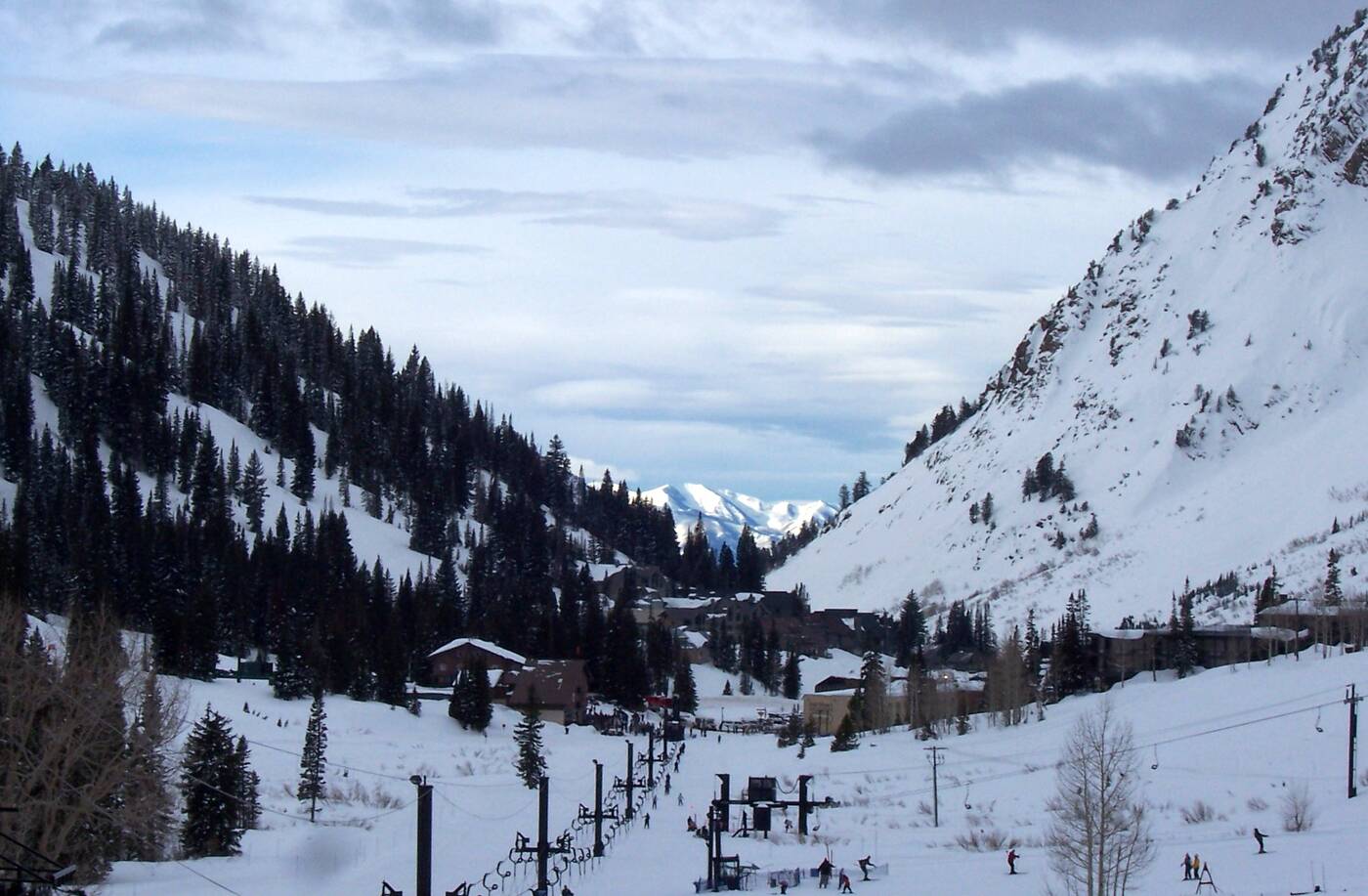
A grassroots group called the Utah Public Ski Area Coalition is pushing for a publicly owned ski area in the Northern Wasatch, and it is asking the state to fund an independent feasibility study before anyone picks a site or pours a foundation.
Founder Clint Richins, a lifelong Utah resident, frames the idea as a resident-first community mountain rather than another luxury destination. Modeled pricing on the coalition site includes a $59 adult day ticket for Utah residents and $139 for non-residents, with a resident season pass floated at $750. Those figures are hypothetical until a study tests demand, water, snowmaking, and operating costs.
The pitch lands in a Wasatch market where destination pricing and canyon crowding already shape trip planning. Peak single-day tickets at places like Deer Valley have climbed far past early-2000s norms, while Little Cottonwood classics such as Alta and Snowbird remain among the most sought-after powder days in North America. UPSAC notes Utah skier visits roughly doubled since 1990 while the resort count barely moved, and it points to an aging skier base as another reason to rebuild local access.
What the public model would look like
The concept sketch favors fixed-grip quads over high-speed fleets, basic food service, phased development, and a modest footprint. An illustrative Phase 1 lists about 2,500 feet of vertical, a base near 7,200 feet, a summit near 9,700 feet, five fixed-grip quads, one magic carpet, and a location roughly 30 to 35 miles from Salt Lake City that would not depend on a major canyon access road. No specific parcel has been selected.
That last detail matters. Northern Wasatch land, water, and winter traffic are already contested. A feasibility study would need to answer where a public hill could sit without repeating the parking and avalanche bottlenecks that define canyon mornings, and whether the mountain could eventually operate without ongoing subsidies.
Why destination skiers should care
Even if you never buy a resident ticket, a new community mountain would change the statewide capacity story. More local days on a public hill could ease weekend pressure on Ikon and Mountain Collective destinations that Utah visitors already plan trips around. It also sits beside the 2034 Winter Olympics timeline, when Utah wants to look like a state that still has room for first-time skiers, not only destination weekenders.
Nothing is shovel-ready. UPSAC is still forming as a nonprofit and applying for a grant through Utah Outdoor Recreation Initiative money to pay for the study. Public ski areas already operate elsewhere in the U.S., Canada, and Europe, so the ownership model is not invented. The open questions are site, cost, and politics.
For now, watch the grant process and any Northern Wasatch site shortlist. Destination planners comparing Utah stalwarts can start with Ski Flock pages for Alta, Snowbird, and Deer Valley, then follow how a public option might change the Wasatch mix. Primary reporting on the proposal is available from SnowBrains.