Ikon PassIkon Base
★9.5
Summit 4,241ft

Hardwood Tree Glades, Classic Front Four Steeps, and Real Winter Cold
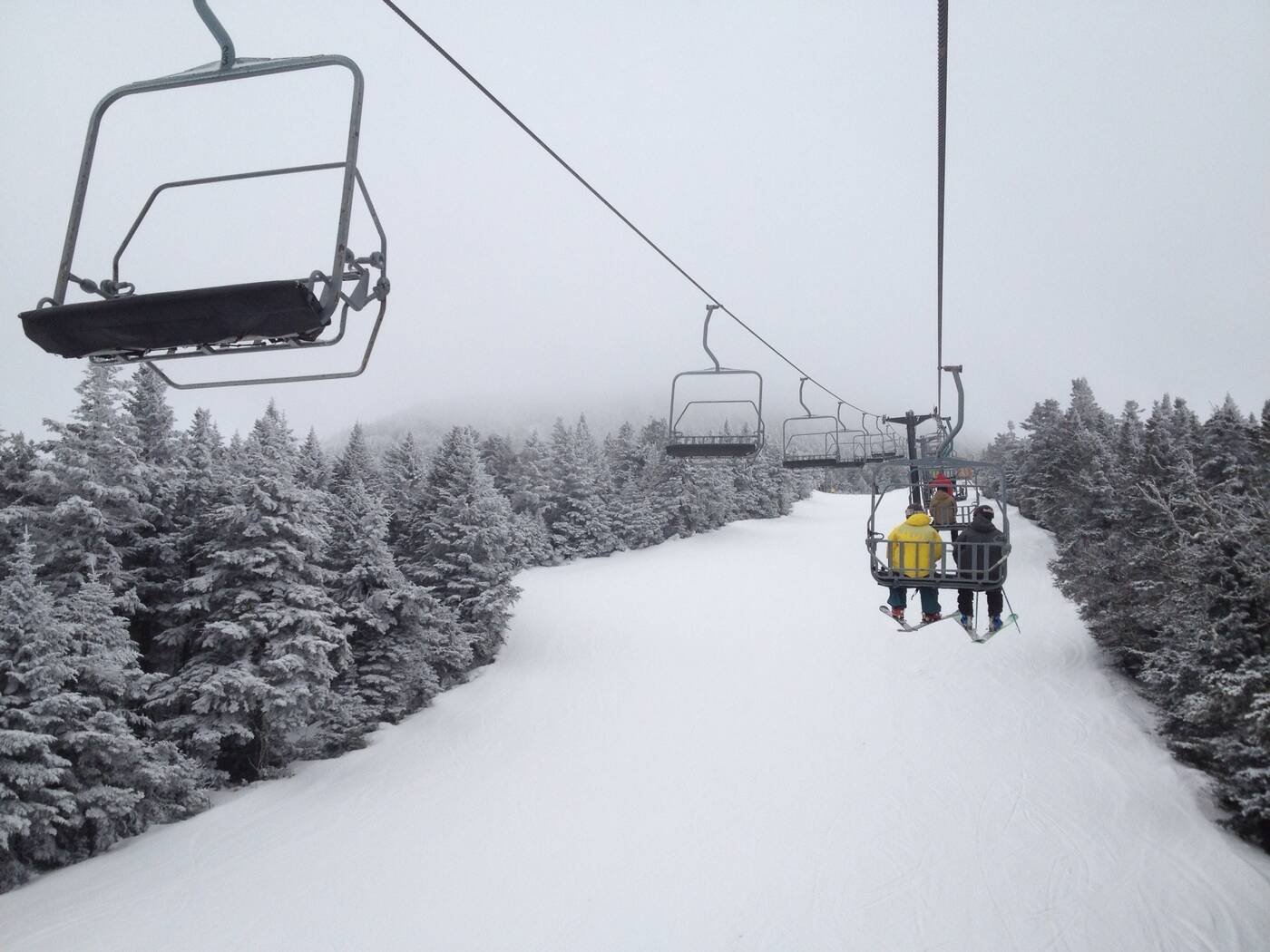
Vermont is the historic heart of Eastern skiing, defined by steep natural fall lines, technical hardwood tree glades, historic clapboard villages, and powerful snowmaking infrastructure. The Green Mountain spine stretches from the southern mountains (Stratton, Mount Snow) convenient to New York and Boston, through central giants (Killington, Sugarbush), up to northern powder outposts (Stowe, Smugglers Notch, and Jay Peak near the Canadian border). The culture is authentic New England: wood-fired maple syrup shacks, craft breweries, and cozy timber base lodges.
Total Runs
1,357 Trails
Total Lifts
177 Lifts
Skiable Terrain
8,241 Acres
Max Vertical Drop
3,050 ft
Pass Networks
Epic (3) · Ikon (5) · Indy (6)
Interactive map displaying all 20 cataloged ski areas. Click any mountain pin to inspect vertical drop, active lifts, and guide access.
Northern Vermont catches moisture from the Great Lakes and cold Canadian air masses, producing substantial snowfall that reaches 350 inches annually at Jay Peak (the famous Jay Cloud). Central and southern mountains receive between 200 and 250 inches. Vermont resorts back up natural snow with massive automated snowmaking firepower that resurfaces trails rapidly following weather shifts.
Burlington International Airport (BTV) is 45 minutes from Stowe, Bolton Valley, and Smugglers Notch, and 90 minutes from Jay Peak. Albany International Airport (ALB) and Boston Logan (BOS) provide access to southern and central Vermont via Interstate 87, I-89, and Route 100 (the scenic Skiers Highway). Winter-rated snow tires are strongly recommended for mountain passes like Smugglers Notch (Route 108) and the Appalachian Gap.
Vail Resorts operates Stowe, Mount Snow, and Okemo on the Epic Pass. Alterra Ikon Pass covers Killington, Pico, Sugarbush, and Stratton. The Indy Pass provides access to independent gems like Jay Peak, Bolton Valley, Magic Mountain, and Saskadena Six. Mad River Glen remains a co-op-owned sanctuary for skiers only.
Stowe Village features iconic white church steeples, historic country inns, and world-class craft dining (including the Alchemist Brewery, home of Heady Topper). Killington Access Road is famous for lively nightlife at the Pickle Barrel and Wobbly Barn. Warren and Waitsfield in the Mad River Valley offer authentic timber-frame farmhouses and local general stores.
Early Season
Late Nov to Dec
Colder temperatures trigger extensive snowmaking. Mountain bases open early terrain with minimal lift line congestion.
Peak Powder Window
January & February
Consistent maritime or continental snowstorms produce the deepest mid-winter base depths and optimum bowl skiing.
Spring Sunshine
March to Mid-April
Longer daylight hours, soft afternoon corn snow, and sun-drenched outdoor terrace après across high alpine slopes.
Vermont
Vert
1,700'
Acres
600
Snow
-
Lifts
19
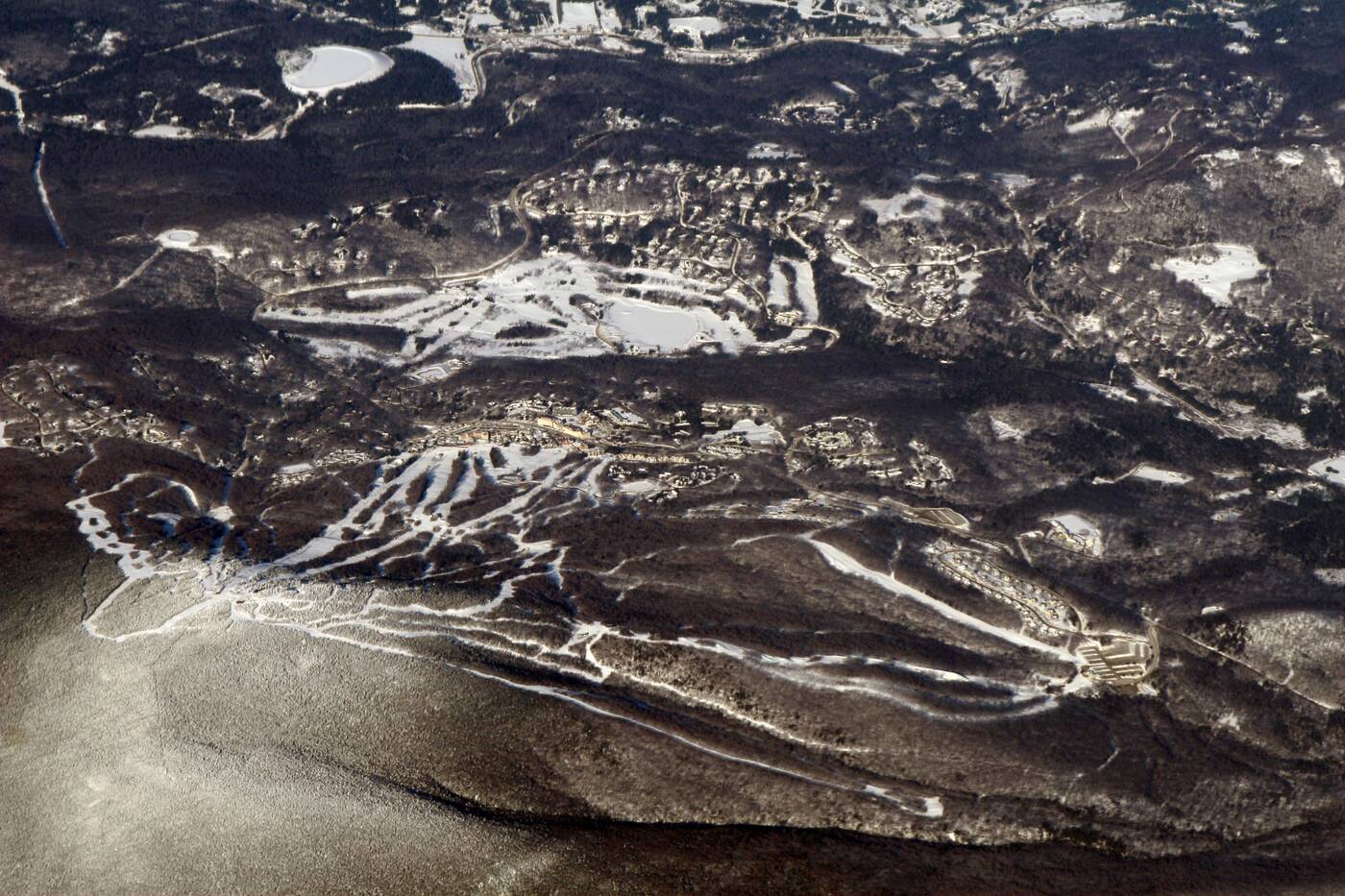
Epic southern VT; completes VT Epic set with Stowe/Okemo.
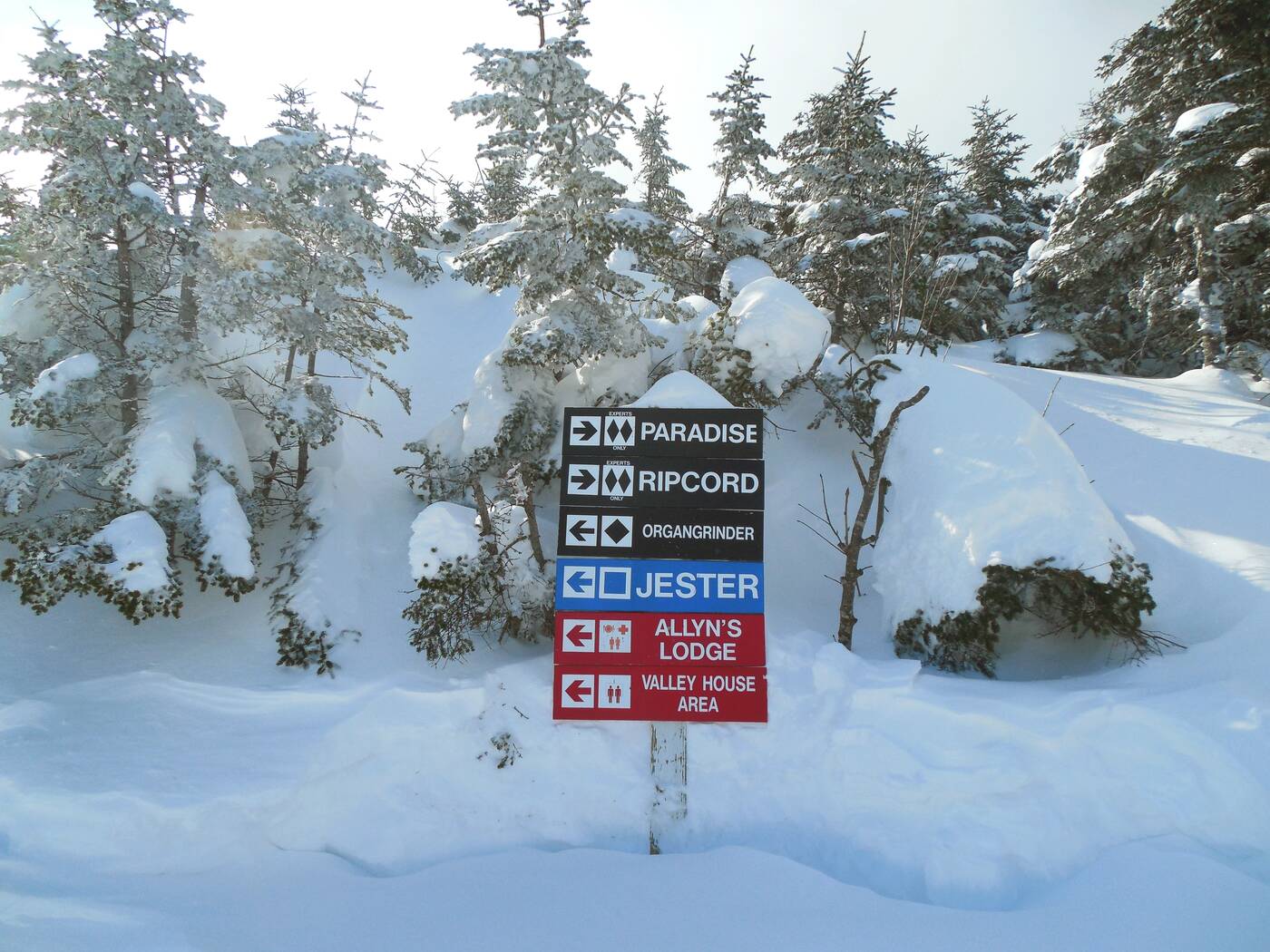
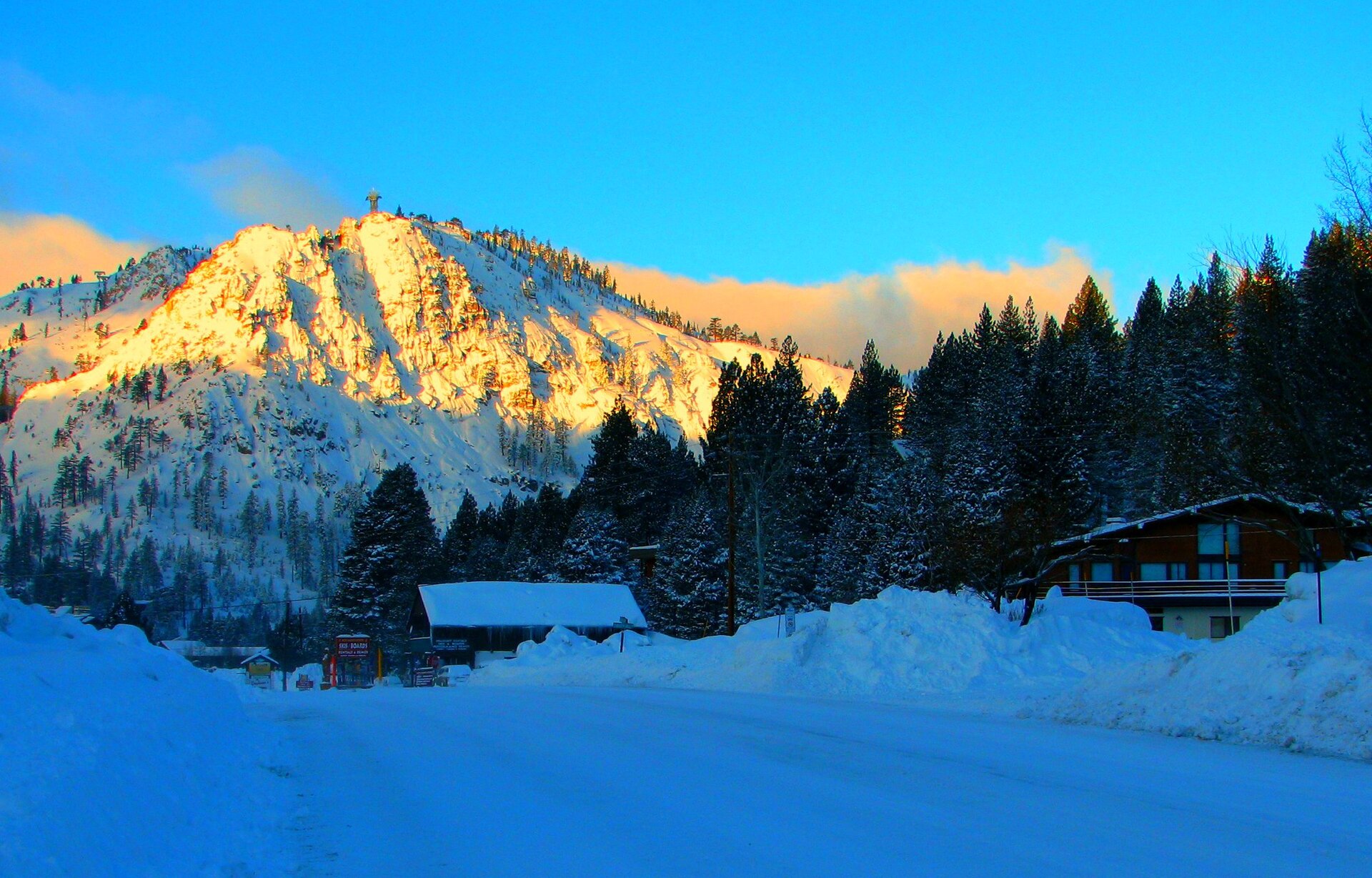
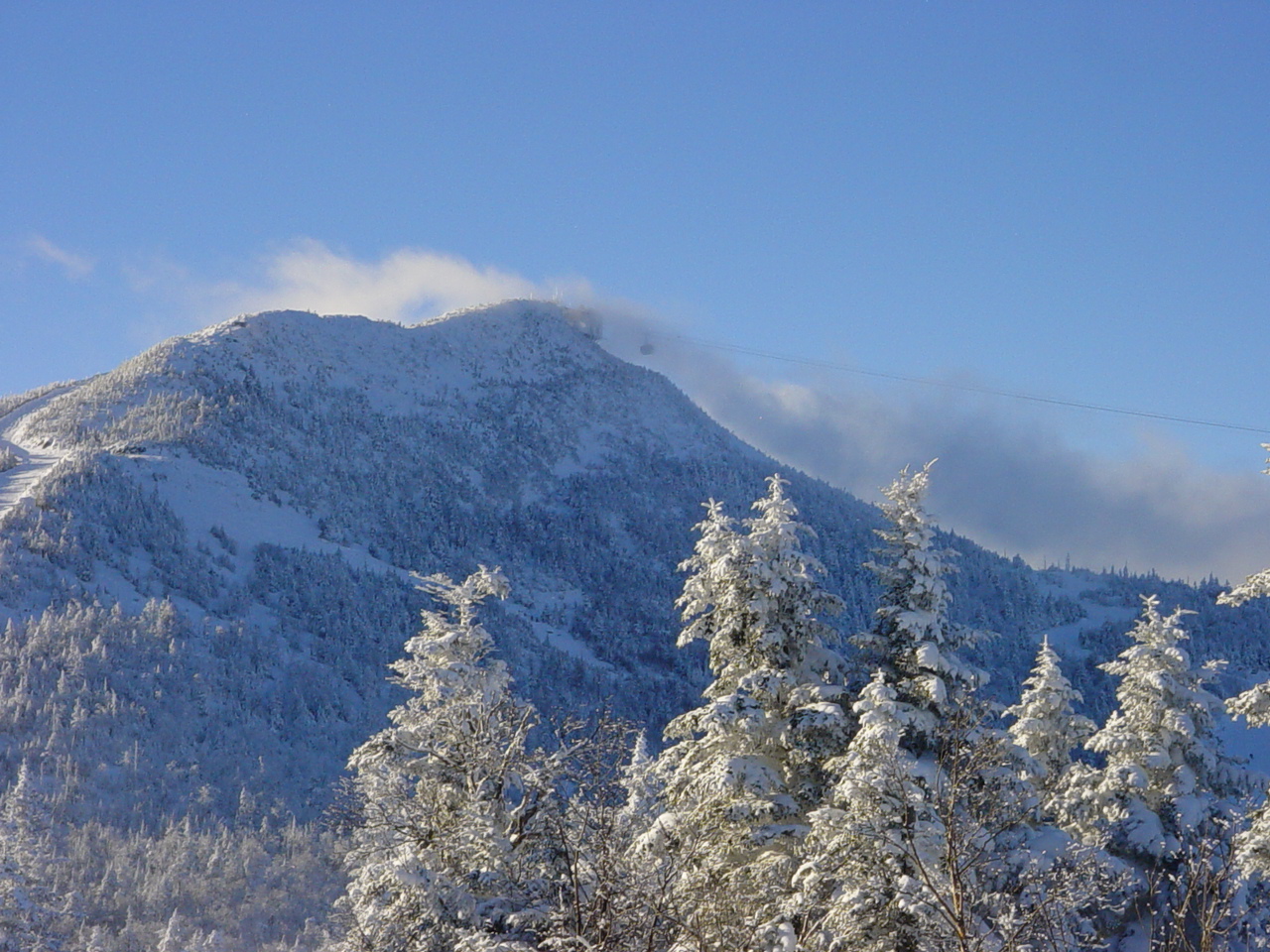
Vermont
Vert
2,153'
Acres
385
Snow
-
Lifts
9
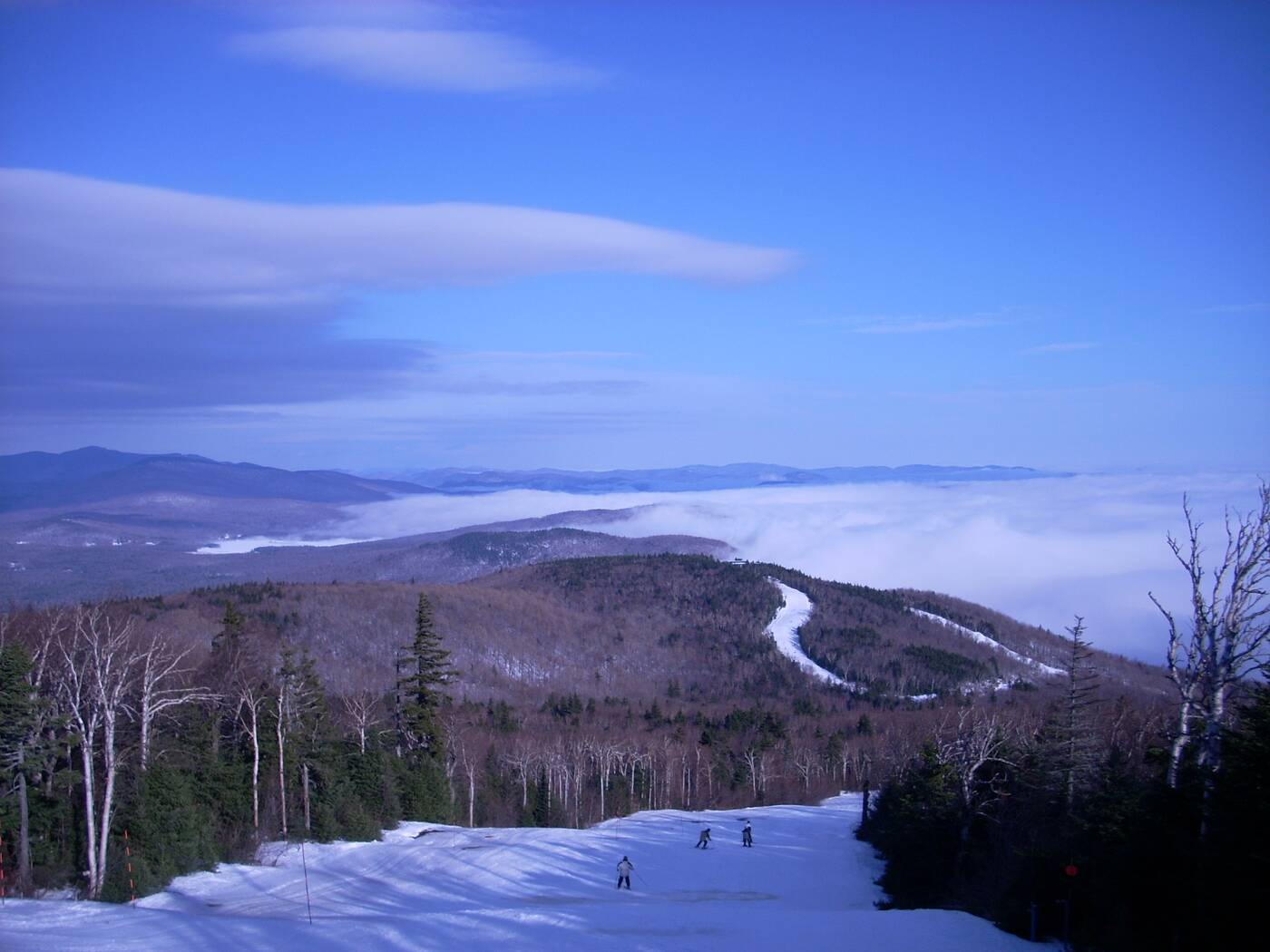
Selective Indy notable: lake-effect snow reputation + waterpark lodging complex.
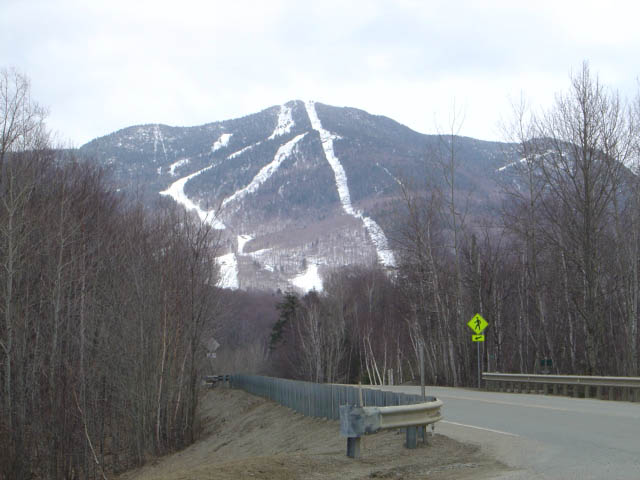
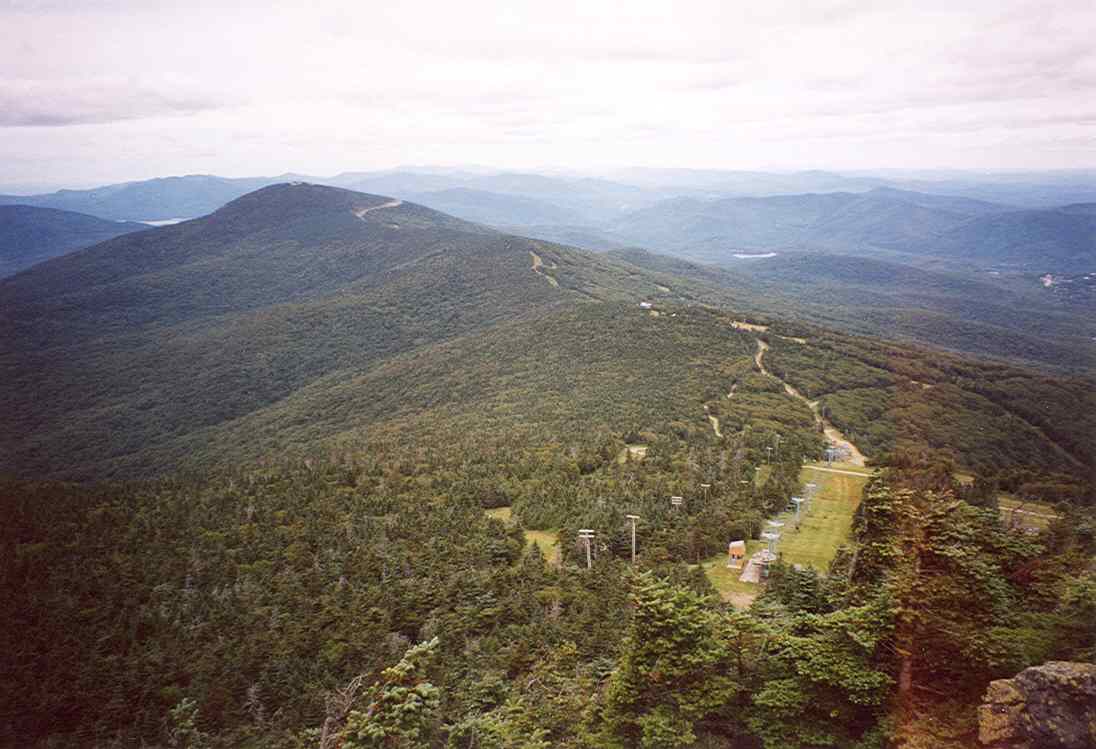
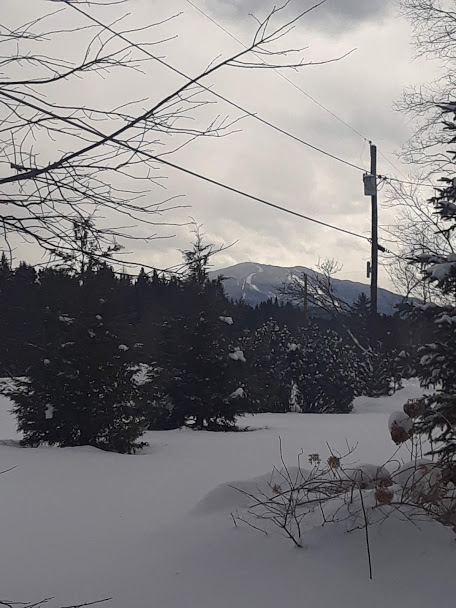
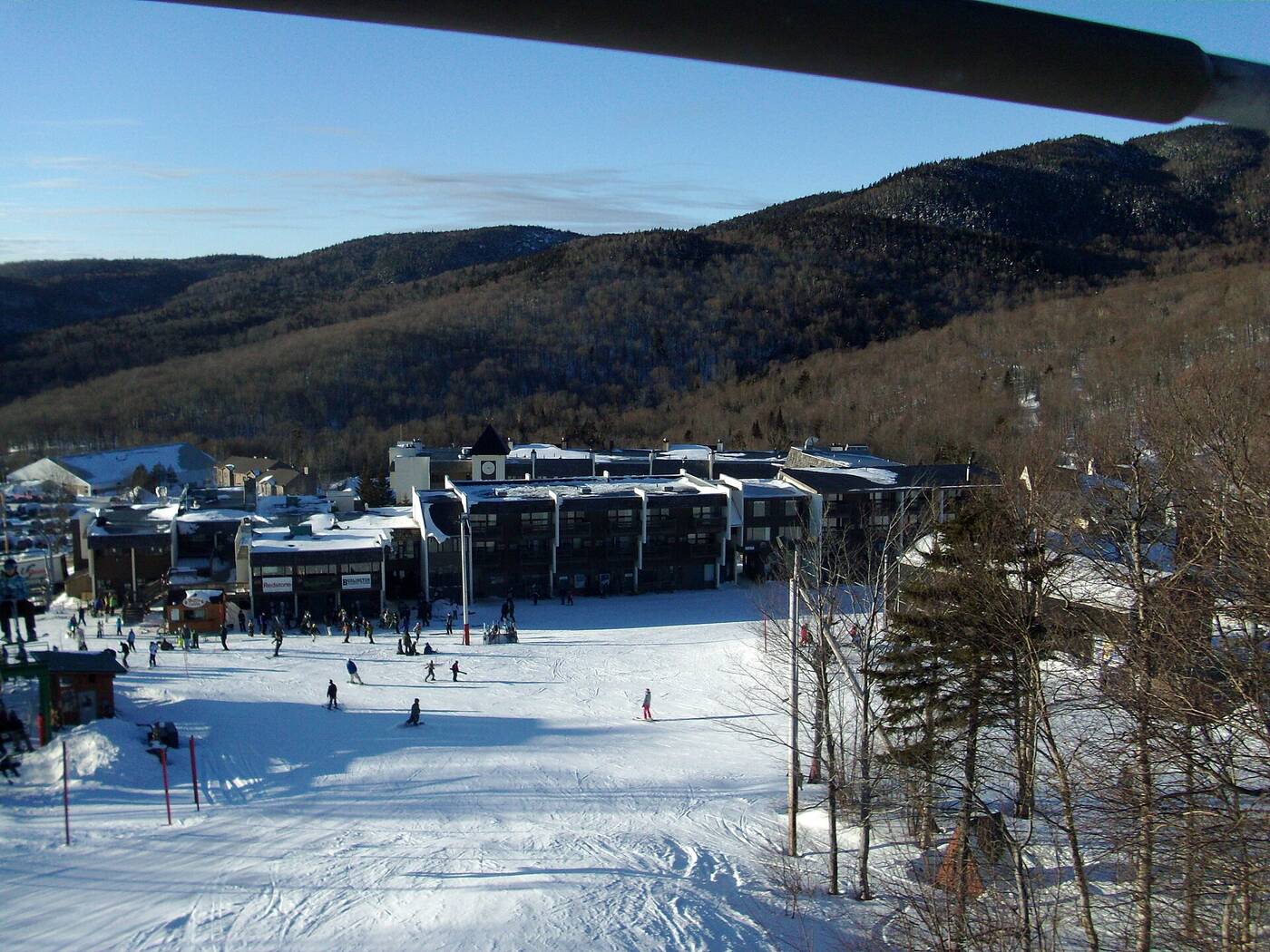
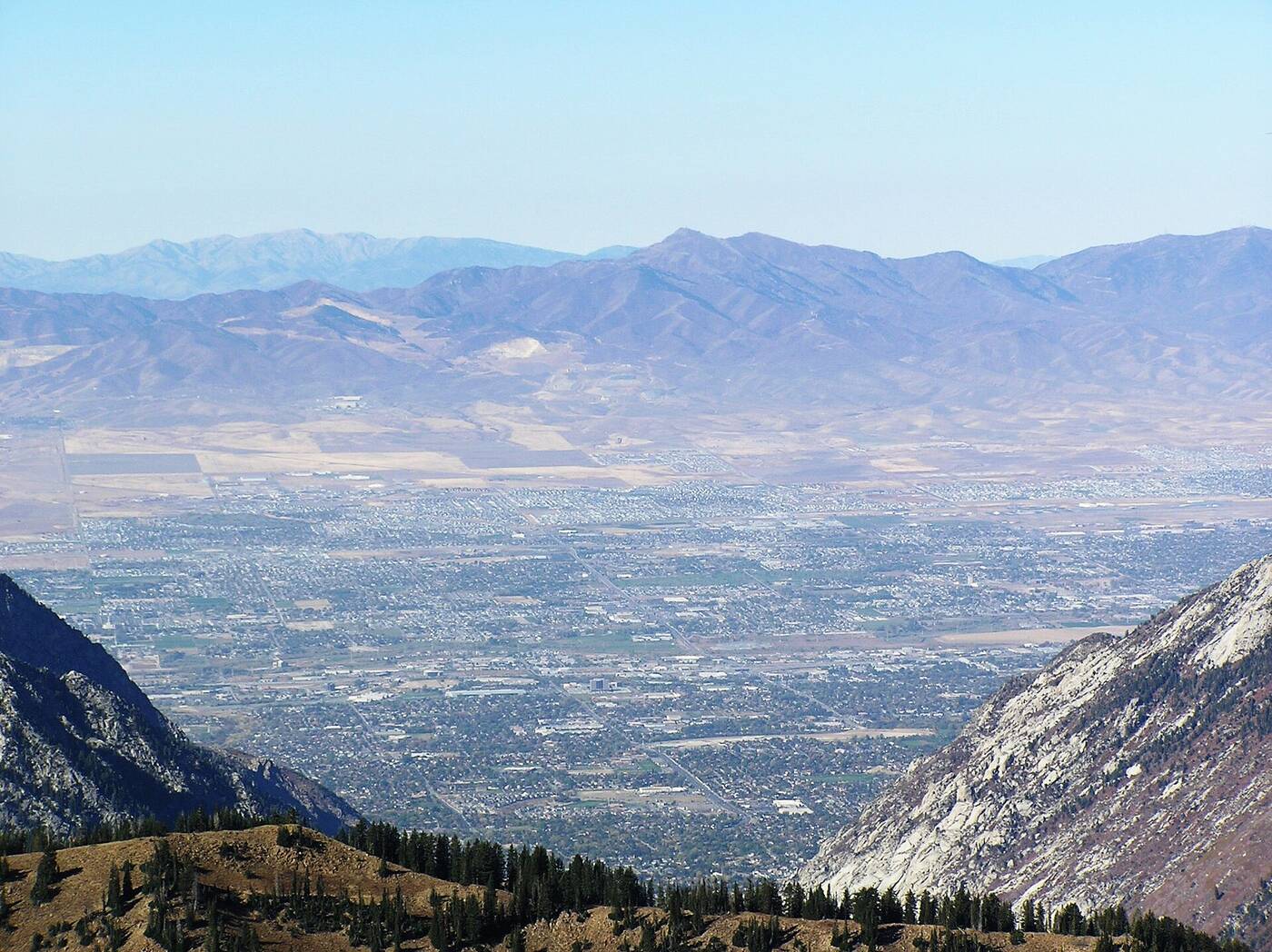
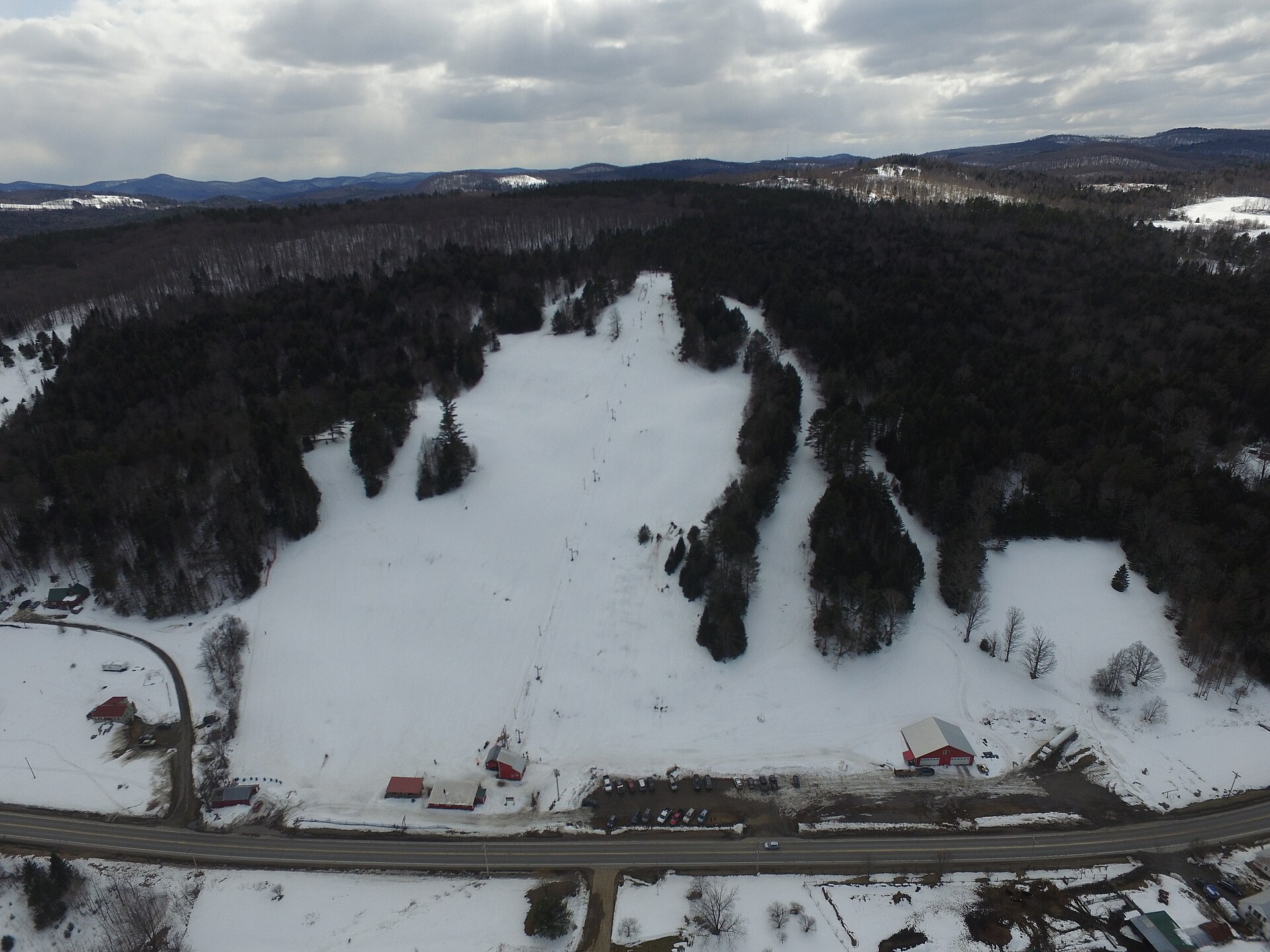
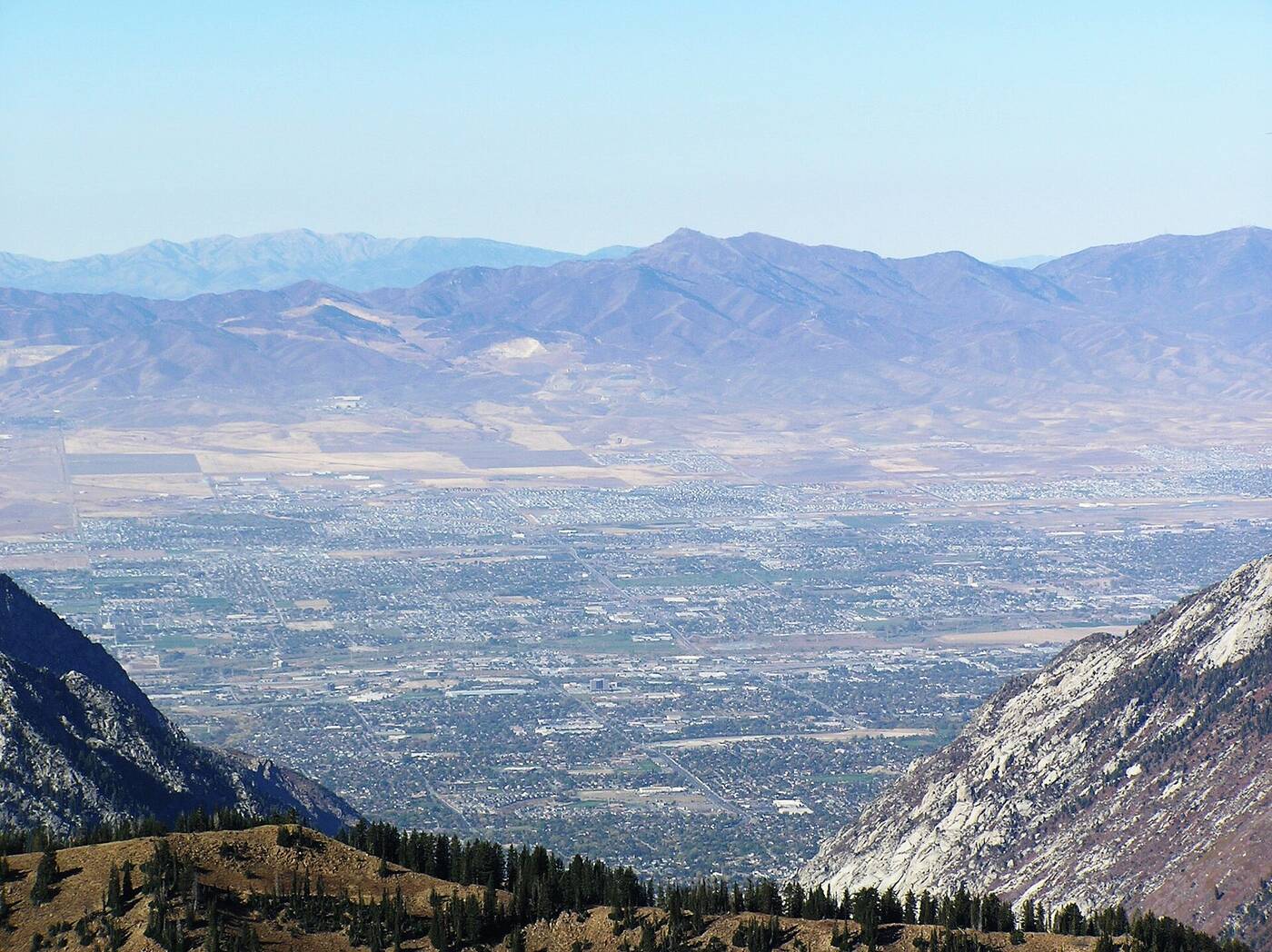
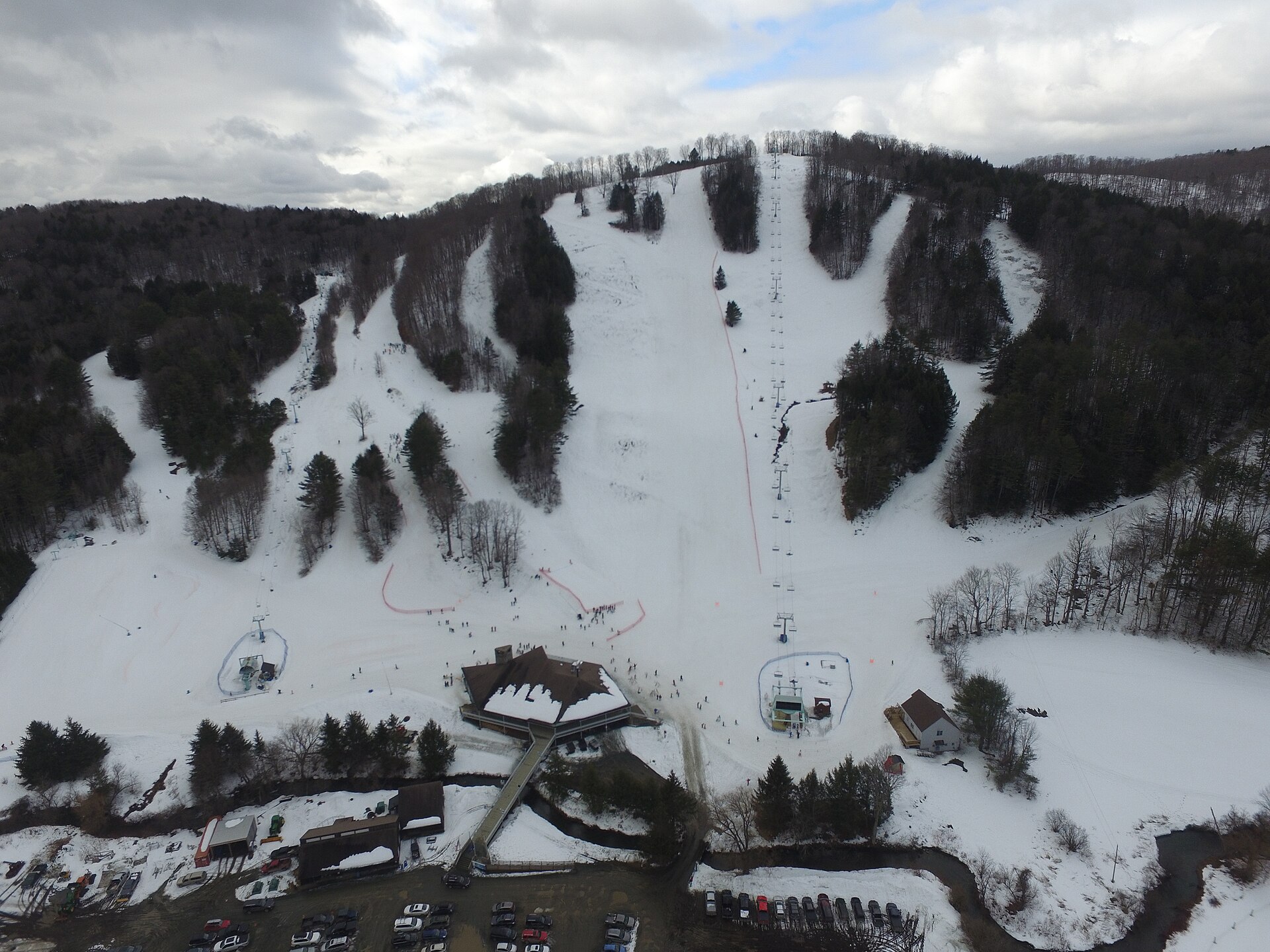
Jay Peak Resort in northern Vermont receives the most natural snow in eastern North America, averaging over 350 inches annually due to the localized Jay Cloud weather phenomenon.
Southern Vermont (Mount Snow, Stratton) is closer to major metropolitan areas like New York and Boston, offering modern village lodging and extensive grooming. Northern Vermont (Stowe, Jay Peak, Smugglers Notch) has colder temperatures, more natural snow, and steeper, more technical tree glades.
The Ikon Pass offers access to Killington, Sugarbush, and Stratton. The Epic Pass covers Stowe, Okemo, and Mount Snow. Skiers who prefer independent, uncrowded powder mountains often choose the Indy Pass for Jay Peak, Bolton Valley, and Magic Mountain.
Mad River Glen is an independent, skier-owned cooperative that does not permit snowboarding. It features a historic single chairlift, minimal artificial snowmaking, and steep, natural trails that follow the mountain natural contours.