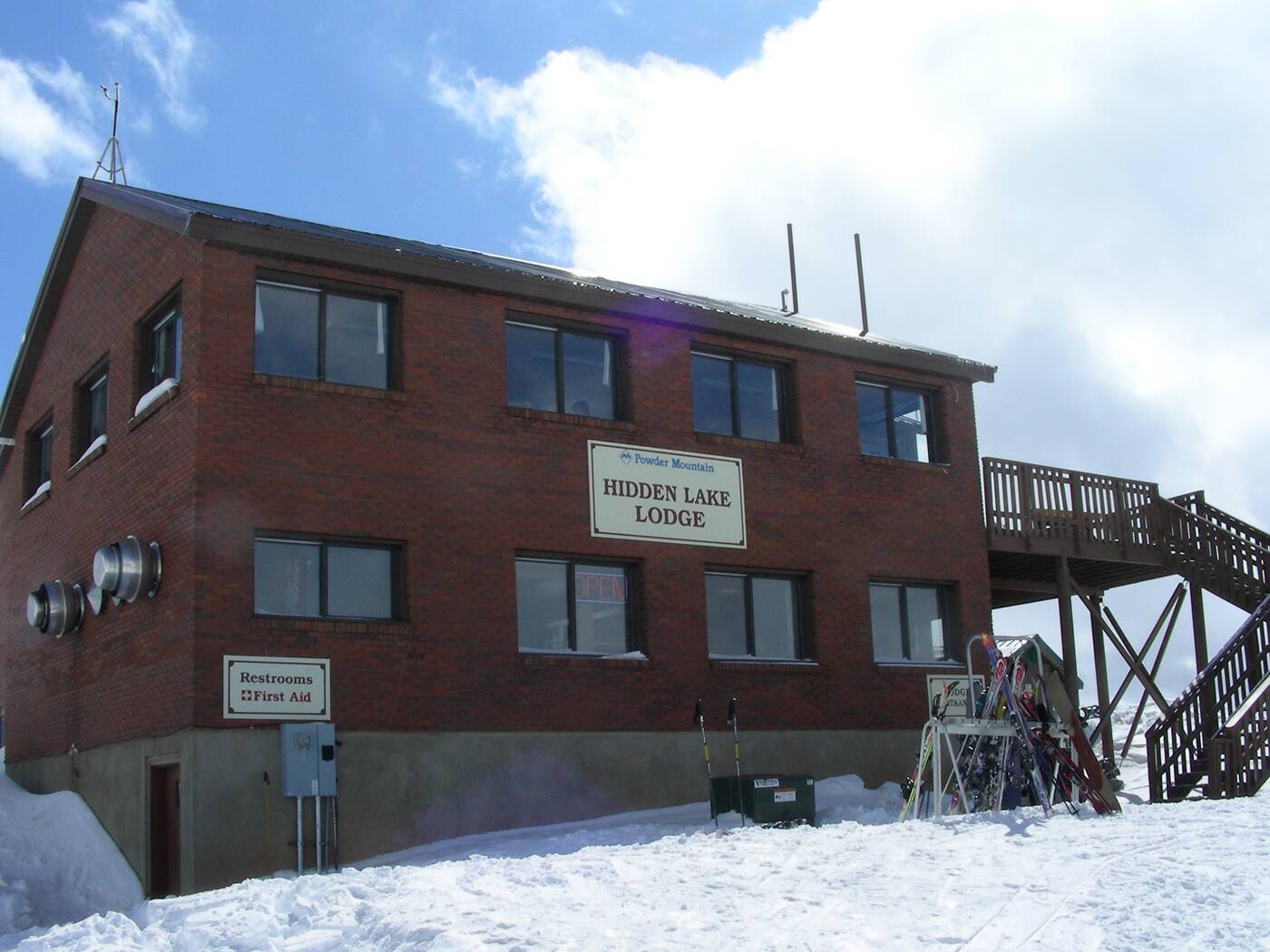
Indy Pass
★9.7
Summit 9,422ft
Powder Mountain
Utah
Vert
2,522'
Acres
8,464
Snow
-
Lifts
9
Selective Indy notable: acreage + powder brand; depth over Indy stubs.

500-Plus Inches of Desert-Cooled Snow, 45-Minute Airport Access, and Pure Fall Lines
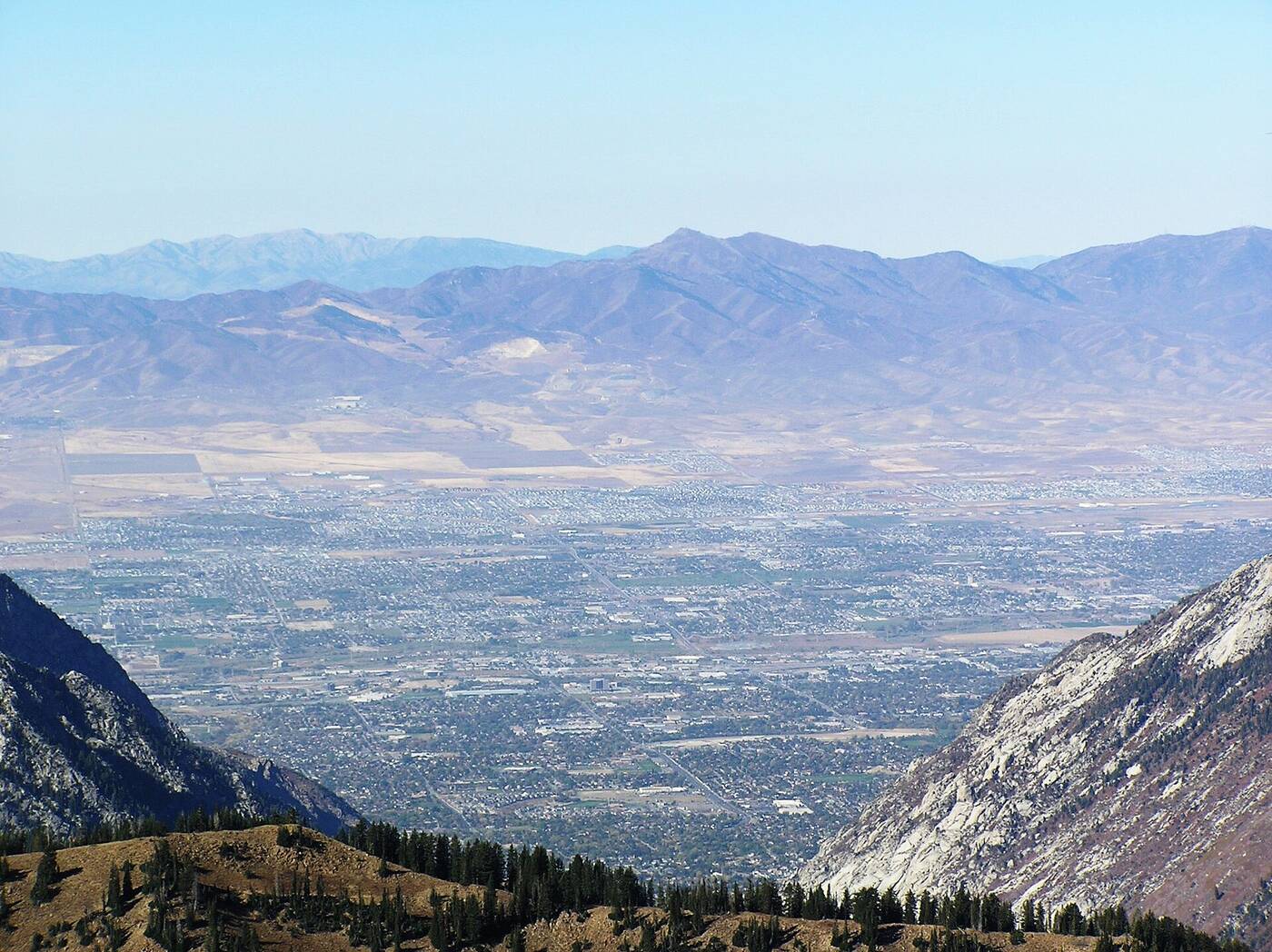
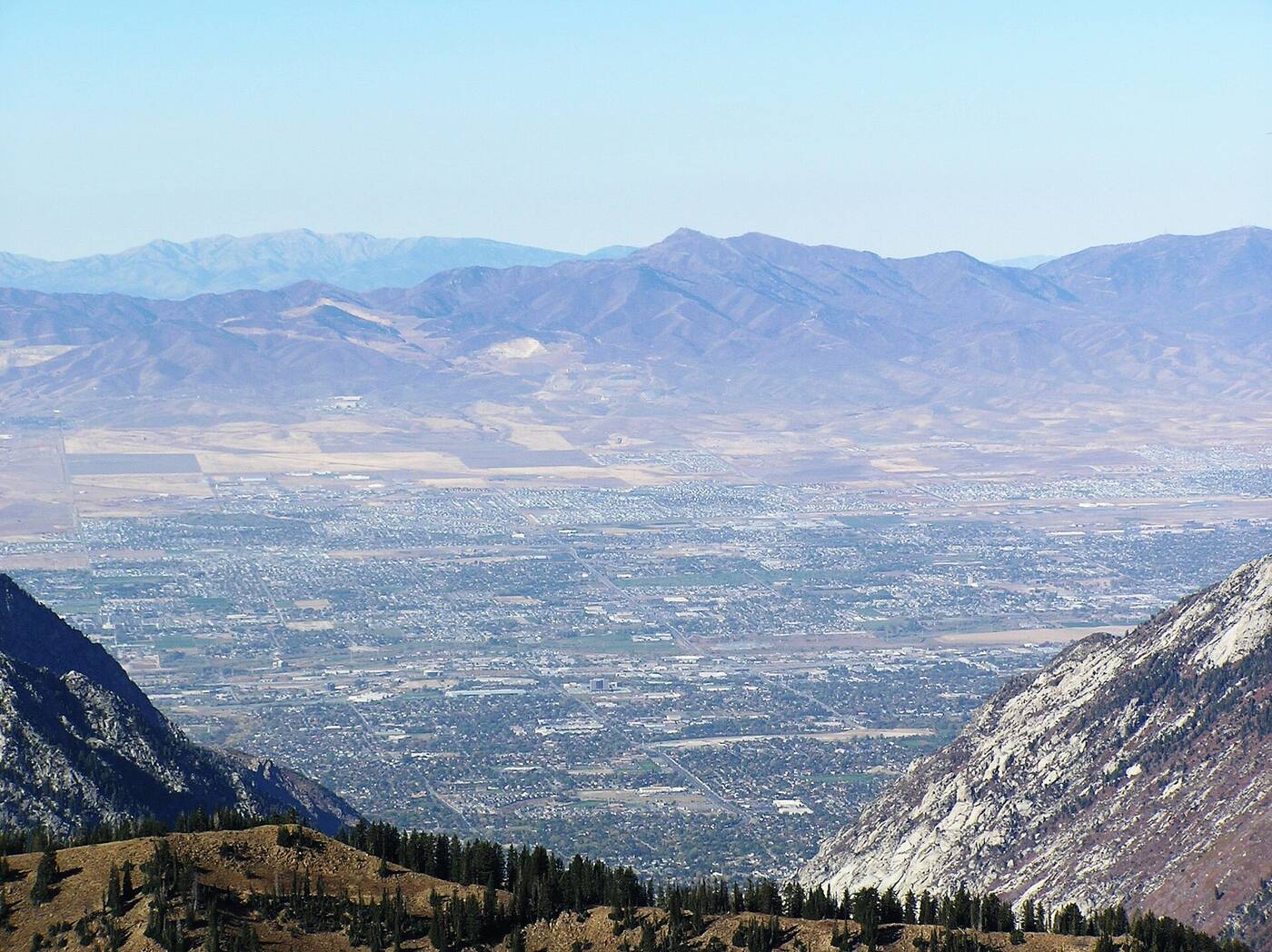
Utah is the global benchmark for convenient, high-volume powder skiing. Centered in the Wasatch Range just 35 to 50 minutes from Salt Lake City International Airport, Utah combines legendary orographic snowfall with rapid transit logistics. Little Cottonwood Canyon holds Alta and Snowbird: two steep, technical powerhouses that receive over 500 inches of snow annually. Big Cottonwood Canyon features Brighton and Solitude, offering cliff-studded freeride terrain and family-friendly glades. Across the ridge, Park City Mountain and Deer Valley provide sprawling acreage, historic mining-town dining, and skier-only luxury grooming.
Total Runs
1,422 Trails
Total Lifts
161 Lifts
Skiable Terrain
31,832 Acres
Max Vertical Drop
3,240 ft
Pass Networks
Epic (5) · Ikon (7) · Indy (5)
Interactive map displaying all 15 cataloged ski areas. Click any mountain pin to inspect vertical drop, active lifts, and guide access.
Pacific storms cross the Great Salt Lake, picking up moisture and thermal instability (the lake-effect phenomenon) before slamming into the steep western wall of the Wasatch Range. The cold desert air drops moisture content to around 8 percent, producing buoyant blower powder that locals trademark as the Greatest Snow on Earth. The canyon heads act as natural snow catchers, frequently recording double the precipitation of valley floors.
Salt Lake City International Airport (SLC) is the most efficient major ski transit airport in North America. Skiers can step off a morning flight and be on the chairlift at Alta, Snowbird, Solitude, Brighton, or Park City within 45 to 60 minutes. Winter access up Little Cottonwood Canyon (SR-210) and Big Cottonwood Canyon (SR-190) is subject to traction laws and occasional avalanche mitigation closures. Public ski bus routes and resort micro-transit shuttles provide reliable alternatives to driving private rental cars up the canyons.
Utah is balanced between major pass networks. Alterra Ikon Pass provides premier access to Alta, Snowbird, Deer Valley, Solitude, and Brighton. Vail Resorts Epic Pass commands Park City Mountain (the largest single ski resort in the United States). Independent passes and the Indy Pass offer access to hidden powder hubs like Powder Mountain and Beaver Mountain in northern Utah.
Park City is the cultural and nightlife heart of Utah skiing, featuring historic Main Street saloons like the High West Distillery, art galleries, and ski-in lift access from town. In the Cottonwood Canyons, base lodging is mountain-focused and traditional: Alta classic ski lodges provide communal family-style dinners, while Snowbird Cliff Lodge offers rooftop hot tubs and slopeside taprooms. Salt Lake City valley neighborhoods like Sugar House and Cottonwood Heights deliver affordable urban lodging and diverse restaurants.
Early Season
Late Nov to Dec
Colder temperatures trigger extensive snowmaking. Mountain bases open early terrain with minimal lift line congestion.
Peak Powder Window
January & February
Consistent maritime or continental snowstorms produce the deepest mid-winter base depths and optimum bowl skiing.
Spring Sunshine
March to Mid-April
Longer daylight hours, soft afternoon corn snow, and sun-drenched outdoor terrace après across high alpine slopes.
Utah
Vert
2,522'
Acres
8,464
Snow
-
Lifts
9
Selective Indy notable: acreage + powder brand; depth over Indy stubs.
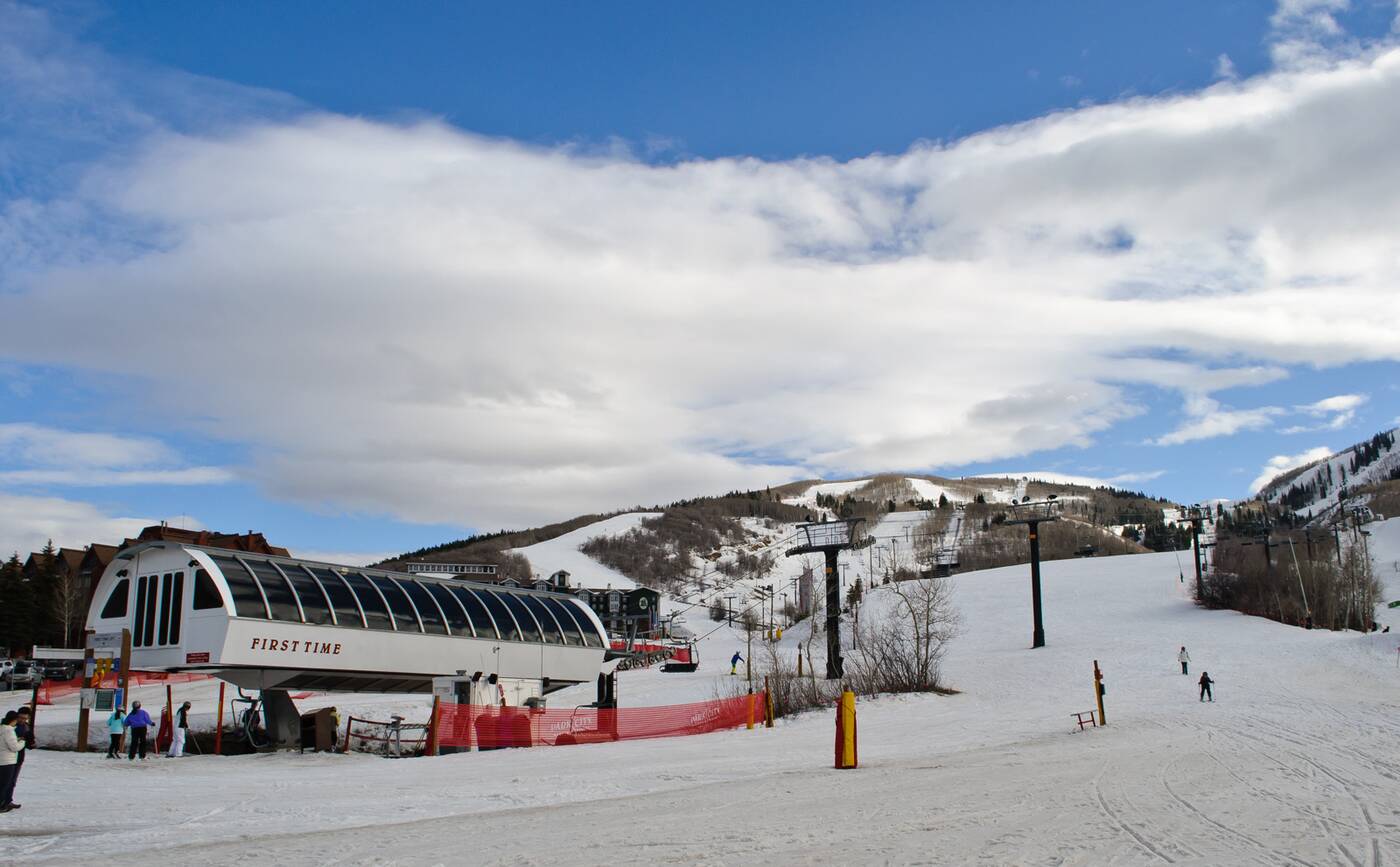
Utah
Vert
3,226'
Acres
7,300
Snow
-
Lifts
43
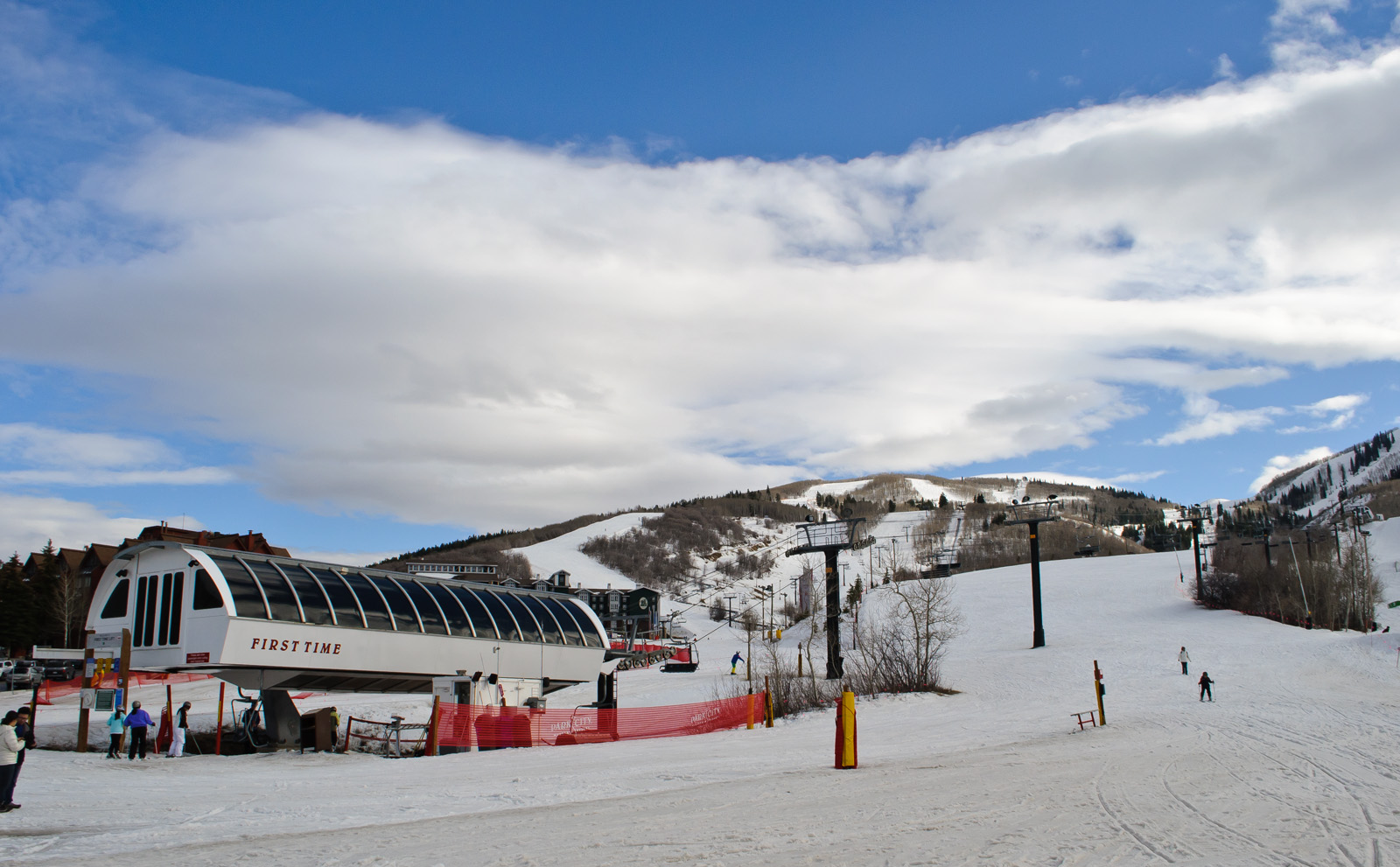
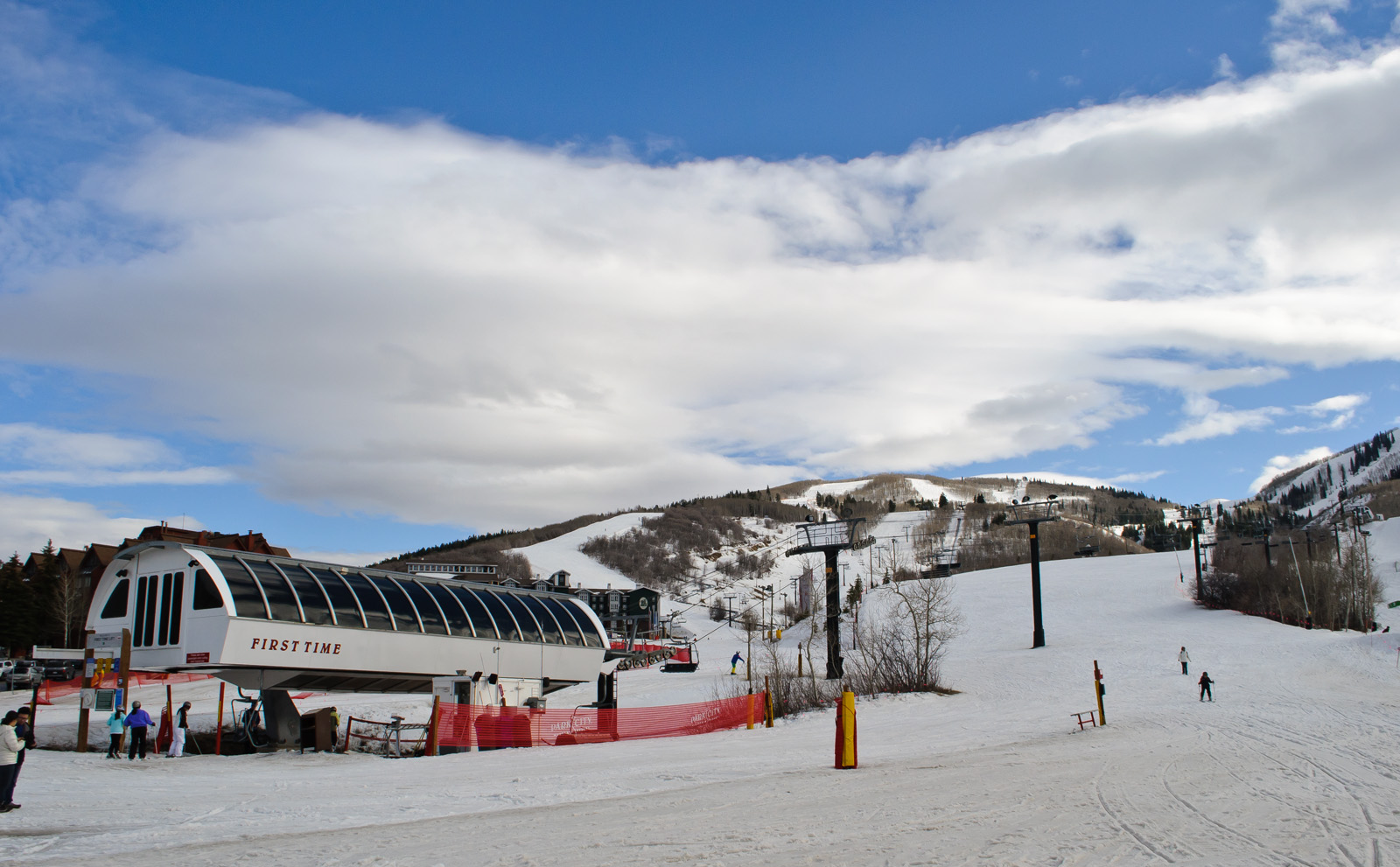
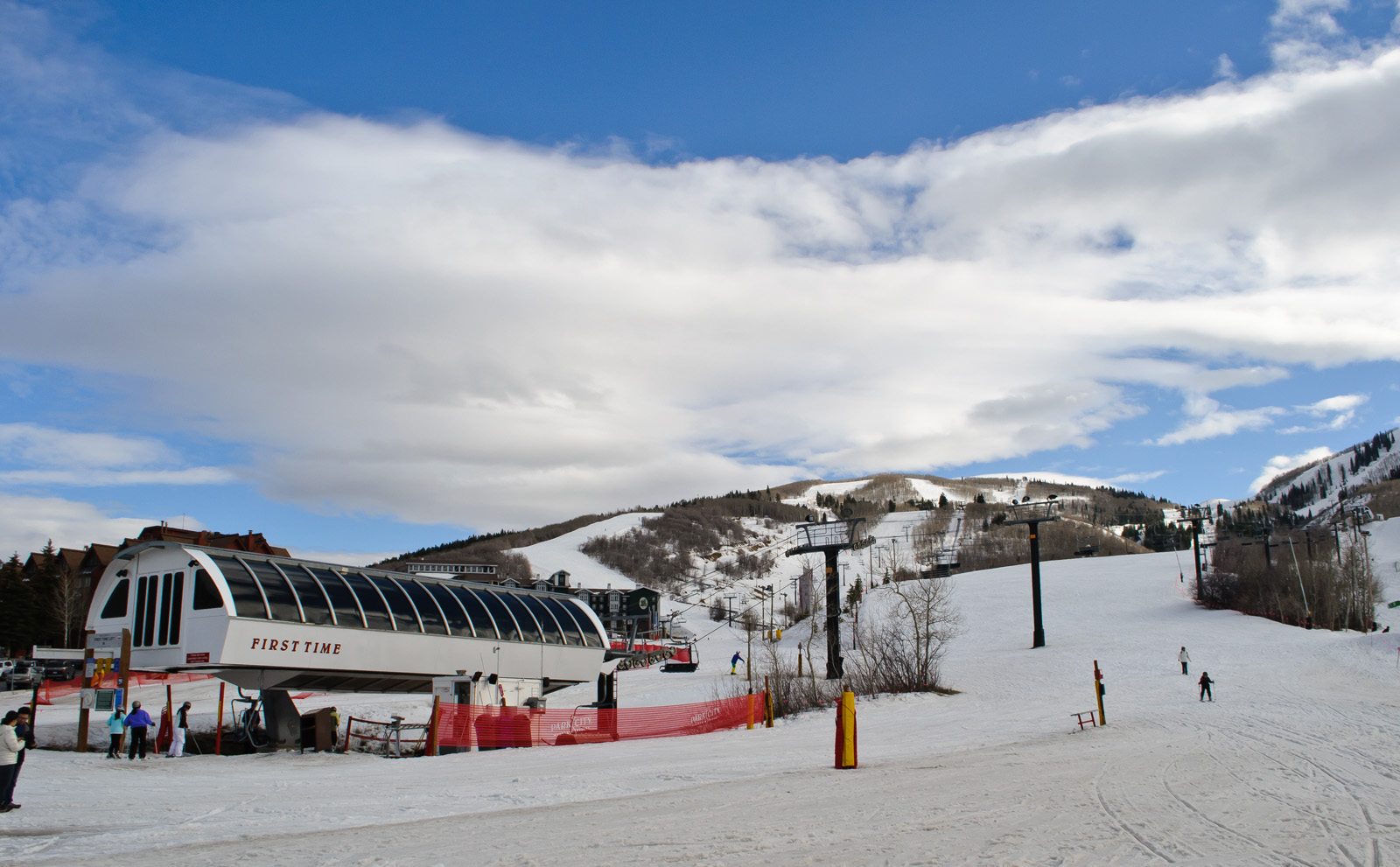
Epic; largest US resort by acres narrative: lodging town gravity for Hotel Flock bridges.
Utah
Vert
2,530'
Acres
2,614
Snow
-
Lifts
6
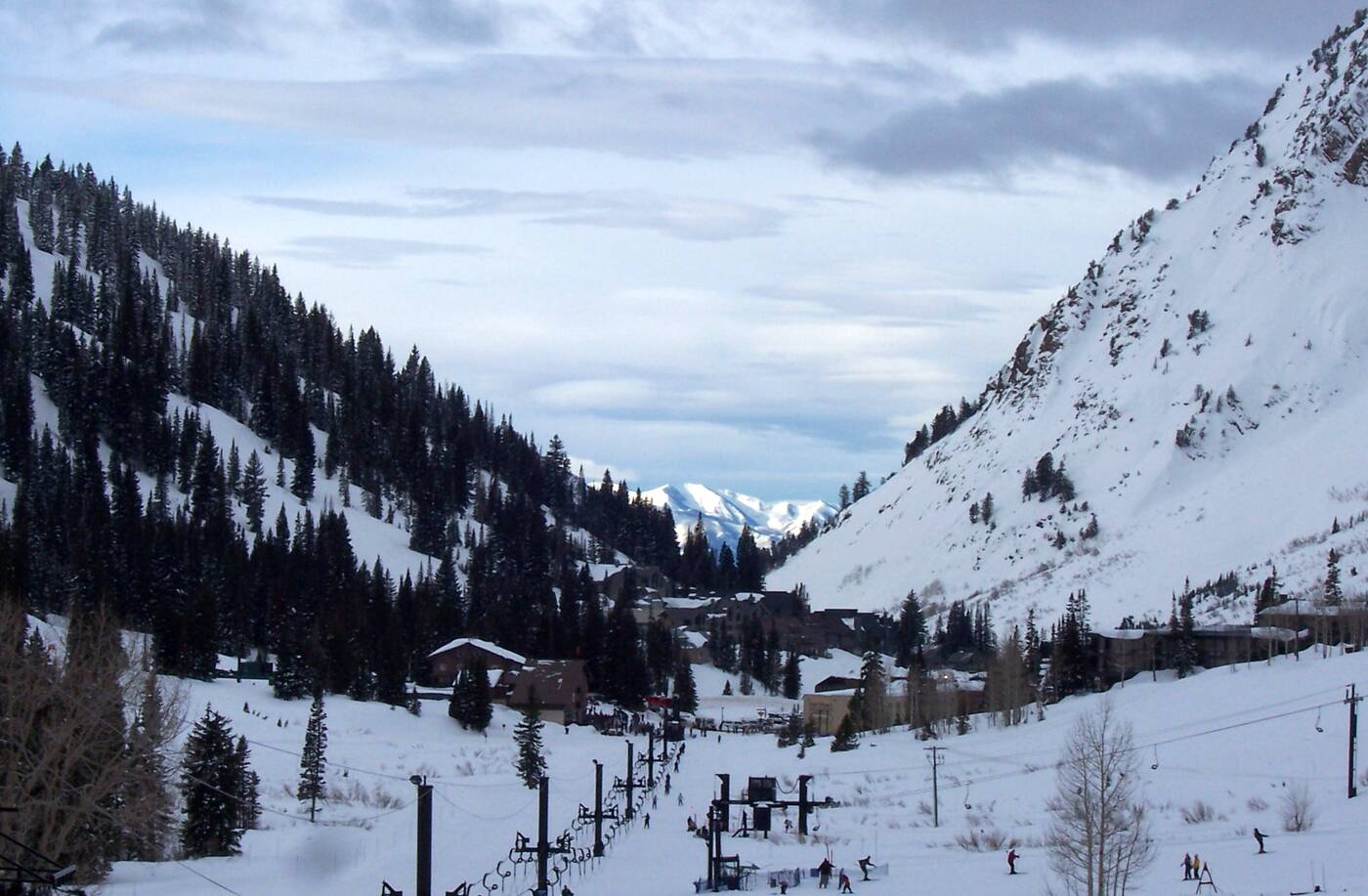
Ski-only culture; limited Ikon days + MC. Pair with Snowbird compares.
Utah
Vert
3,000'
Acres
2,026
Snow
-
Lifts
21
Ski-only (no boards) luxury; Ikon. Classic compare vs Park City.
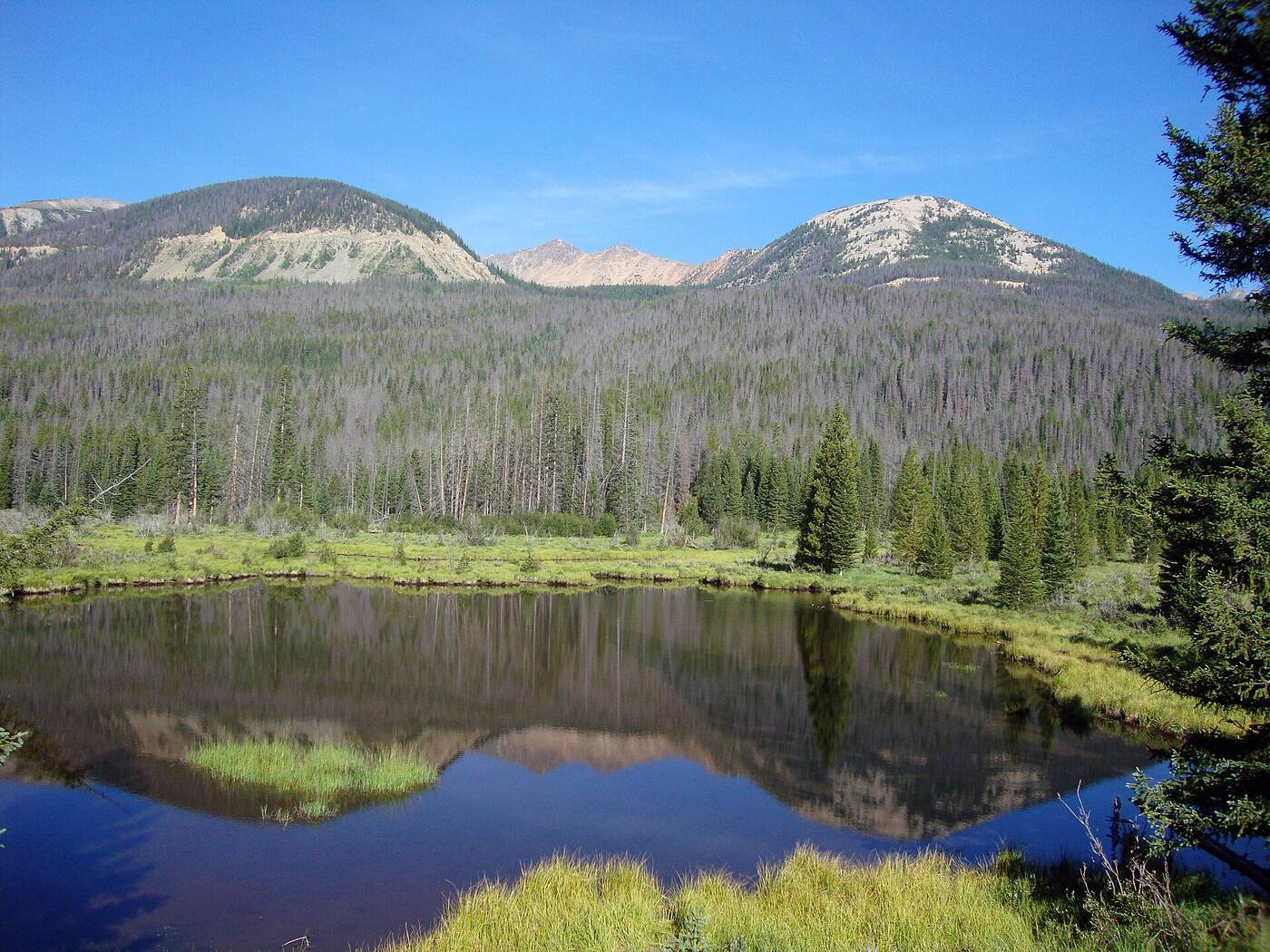
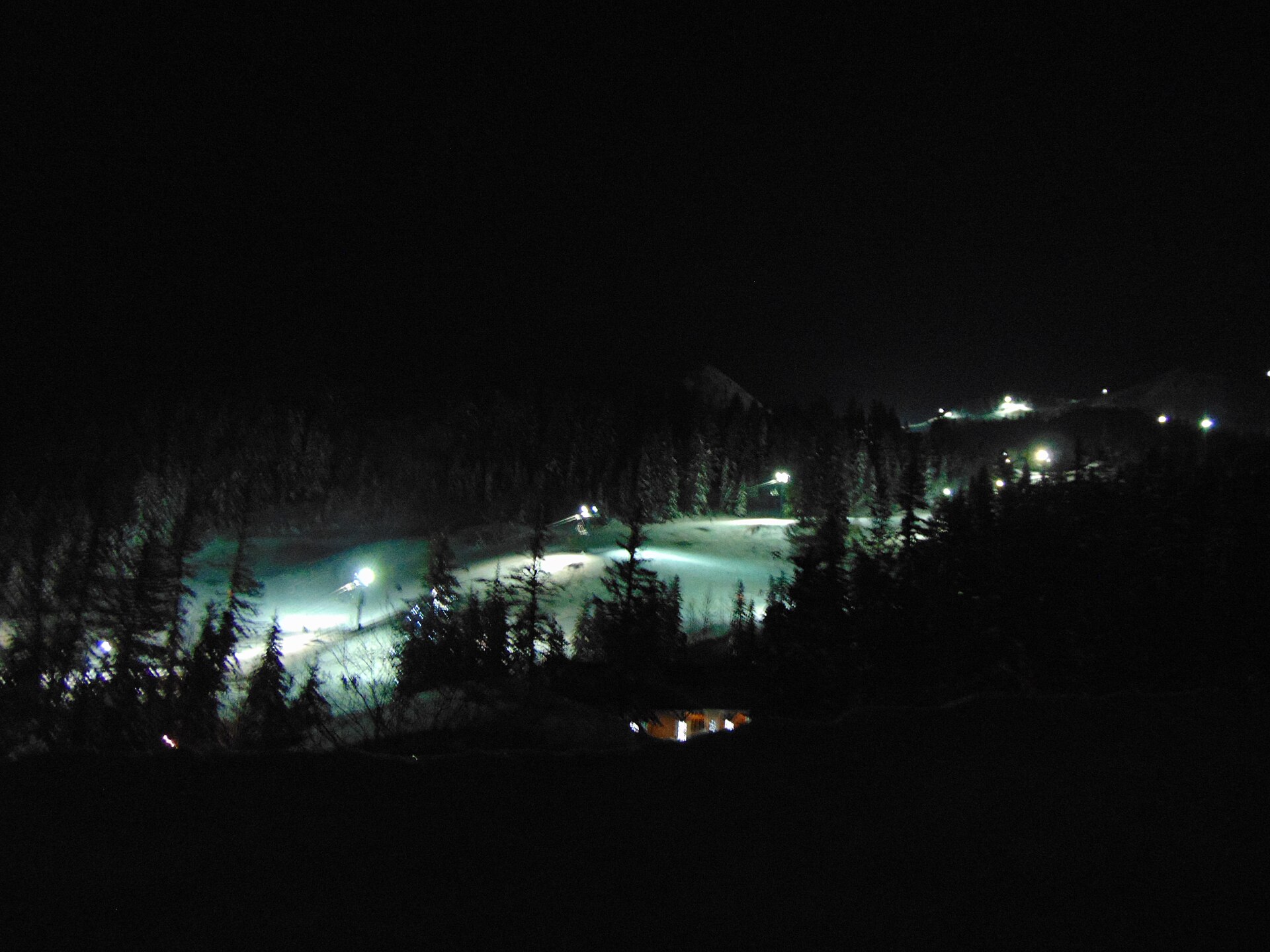
Vert
2,150'
Acres
500
Snow
-
Lifts
9
Sundance Mountain Resort in Utah, US
Vert
1,370'
Acres
650
Snow
-
Lifts
8
Brian Head Resort in Utah, US
Vert
1,500'
Acres
650
Snow
-
Lifts
5
Eagle Point Resort in Utah, US
Vert
1,300'
Acres
350
Snow
-
Lifts
4
Cherry Peak Resort in Utah, US
Vert
1,300'
Acres
350
Snow
-
Lifts
4
Woodward Park City in Utah, US
Utah snow combines heavy Pacific moisture with desert cooling over the Great Basin and lake-effect storm amplification from the Great Salt Lake. The result is a cold, low-density snowpack (typically 8 percent water content) that blankets steep technical terrain with deep, buoyant flotation.
Most Utah destination resorts sit within 35 to 50 minutes of Salt Lake City International Airport (SLC). Park City, Deer Valley, Alta, Snowbird, Solitude, and Brighton are all easily accessible via highway and canyon roads without crossing treacherous multi-hour mountain passes.
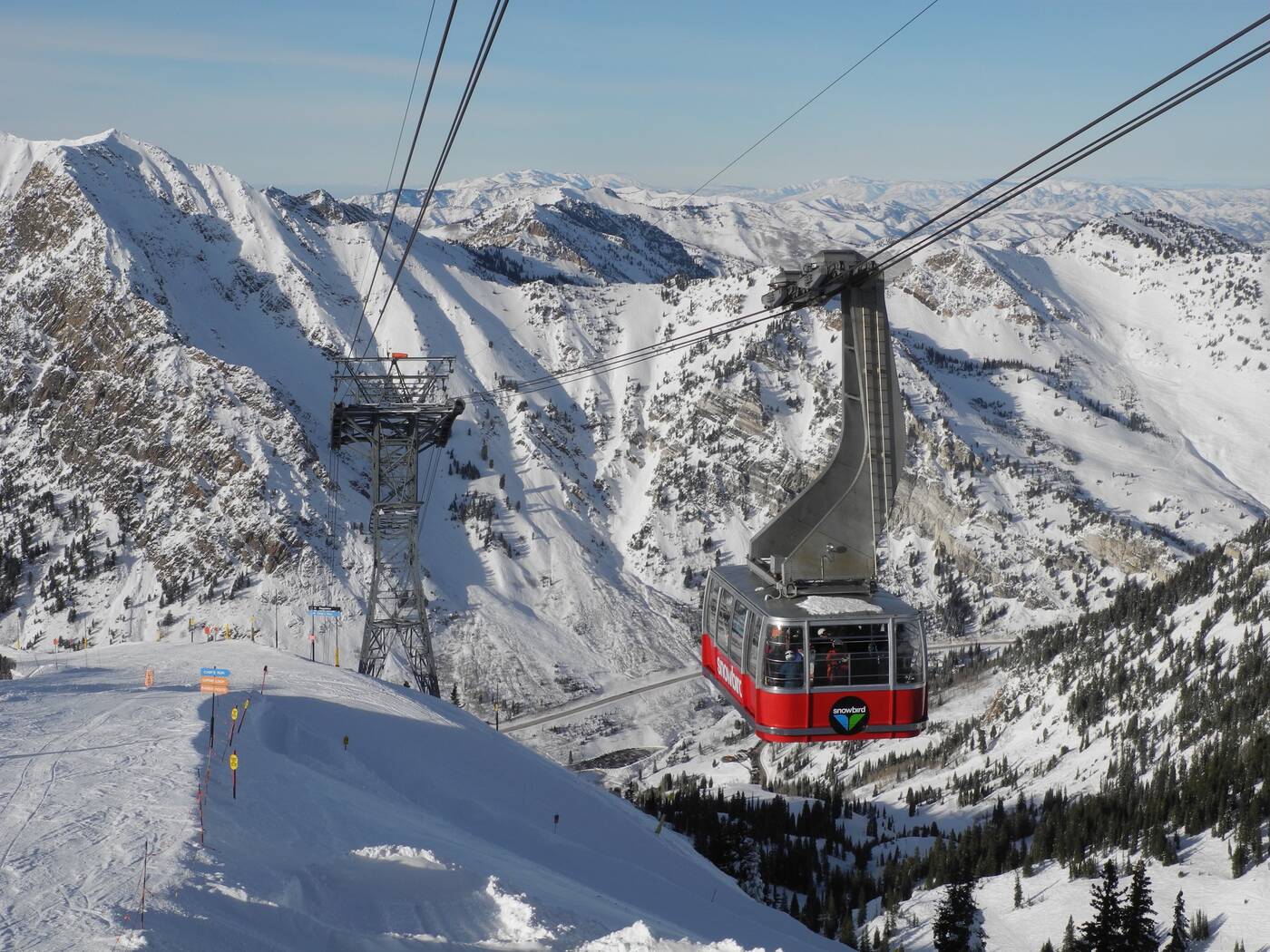
Alta is an alpine purist, skier-only mountain (snowboarding is not permitted) known for high-traverse powder access, natural bowls, and traditional lodge culture. Snowbird welcomes both skiers and snowboarders, featuring relentless 3,240-foot vertical drops, the 125-passenger Aerial Tram, and Mineral Basin back-bowl freeriding.
No. Utah has outstanding public ski transit. The Utah Transit Authority (UTA) operates express ski buses from valley light rail stations directly to the base of Alta, Snowbird, Solitude, and Brighton. In Park City, free municipal transit connects historic Main Street, Canyons Village, and Deer Valley.
The Ikon Pass delivers immense Utah value, covering Alta, Snowbird, Deer Valley, Solitude, and Brighton. The Epic Pass is ideal for skiers planning an extended stay focused specifically on Park City Mountain 7,300 acres of interconnected terrain.