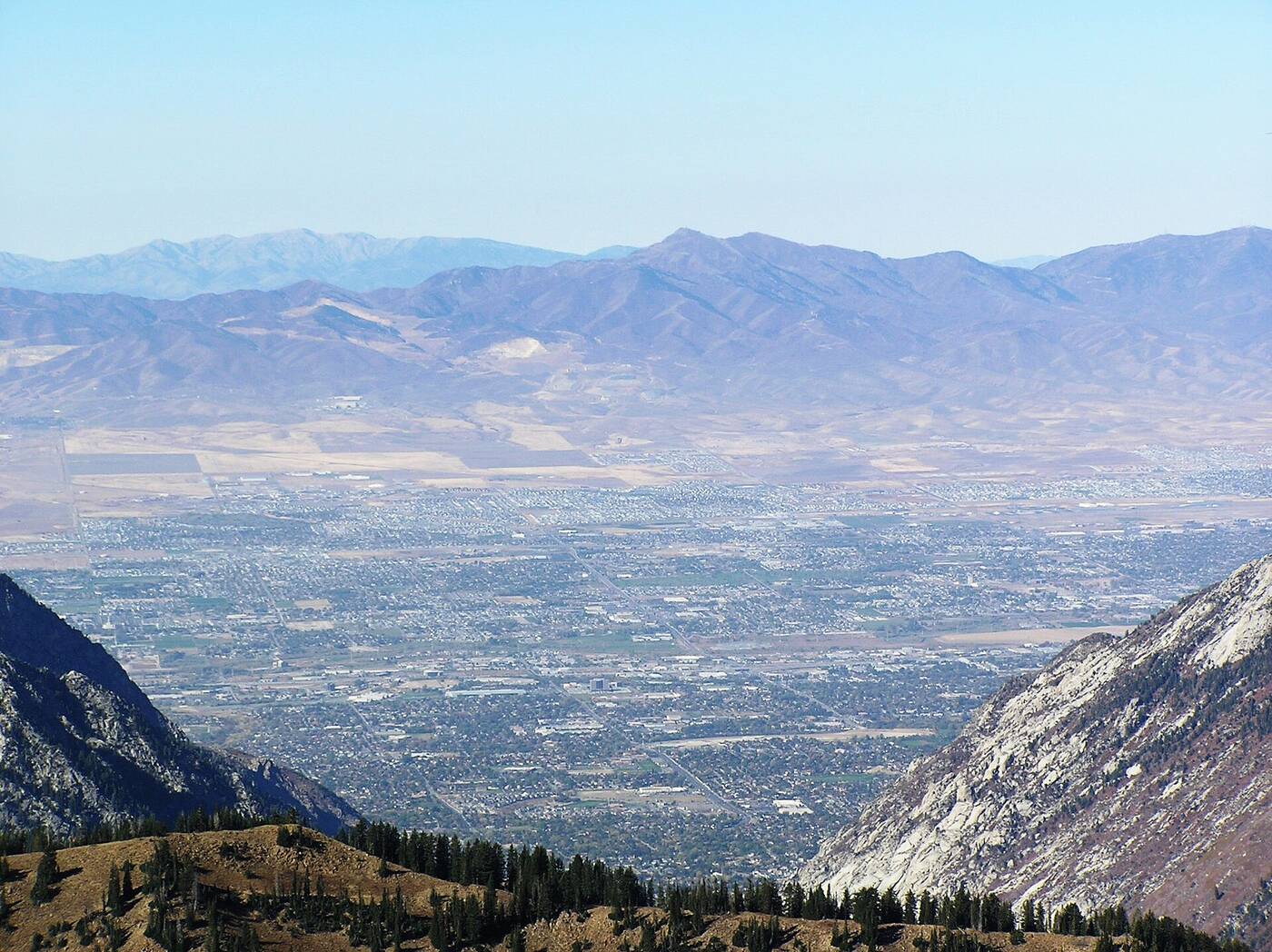
★8.3
Summit 10,170ft
Koktokay Ski Resort
Altay, Xinjiang
Vert
3,986'
Acres
3,000
Snow
400"
Lifts
6
Koktokay Ski Resort in Xinjiang, CN

Olympic Mega-Resorts, High-Tech Snowmaking, and Sub-Zero Night Skiing
East Asia features high-tech winter infrastructure and Olympic-caliber ski facilities. In South Korea, Gangwon Province is the epicenter of skiing, centered on the 2018 Winter Olympic host resorts of Yongpyong (Mona Park) and Alpensia, alongside modern luxury hubs like High1 Resort. In northern China, the 2022 Winter Olympic venues at Chongli (Zhangjiakou) and the Changbai Mountains provide massive integrated resort complexes with direct bullet train access from Beijing.
Total Runs
266 Trails
Total Lifts
86 Lifts
Skiable Terrain
10,900 Acres
Max Vertical Drop
3,986 ft
Pass Networks
Regional Passes
Interactive map displaying all 11 cataloged ski areas. Click any mountain pin to inspect vertical drop, active lifts, and guide access.
Continental Siberian weather delivers frigid, dry conditions across northern East Asia throughout the winter. Natural snowfall is backed by the most powerful automated snowmaking operations in the world, allowing operators to construct manicured corduroy pistes with high durability. Temperatures regularly stay well below freezing from December through March.
In South Korea, high-speed KTX bullet trains connect Incheon International Airport (ICN) and Seoul Station directly to Jinbu (Pyeongchang) in under 90 minutes. In China, the Beijing-Zhangjiakou high-speed railway whisks skiers from downtown Beijing to Chongli ski stations in just 50 minutes.
Yongpyong participates in the Multi-Ski pass networks and offers reciprocal partnerships with international resorts. Most resorts operate on electronic RFID card systems with day and evening night-skiing ticket blocks.
Korean ski culture revolves around evening night skiing until 10:00 PM under floodlights, followed by steaming Korean BBQ, fried chicken and beer (chimaek), and restorative jjimjilbang saunas. High1 features five-star casino hotel towers and outdoor heated mineral pools.
Early Season
Late Nov to Dec
Colder temperatures trigger extensive snowmaking. Mountain bases open early terrain with minimal lift line congestion.
Peak Powder Window
January & February
Consistent maritime or continental snowstorms produce the deepest mid-winter base depths and optimum bowl skiing.
Spring Sunshine
March to Mid-April
Longer daylight hours, soft afternoon corn snow, and sun-drenched outdoor terrace après across high alpine slopes.
Altay, Xinjiang
Vert
3,986'
Acres
3,000
Snow
400"
Lifts
6
Koktokay Ski Resort in Xinjiang, CN
Jilin City, Jilin
Vert
2,844'
Acres
1,400
Snow
180"
Lifts
10
Beidahu Ski Resort in Jilin, CN
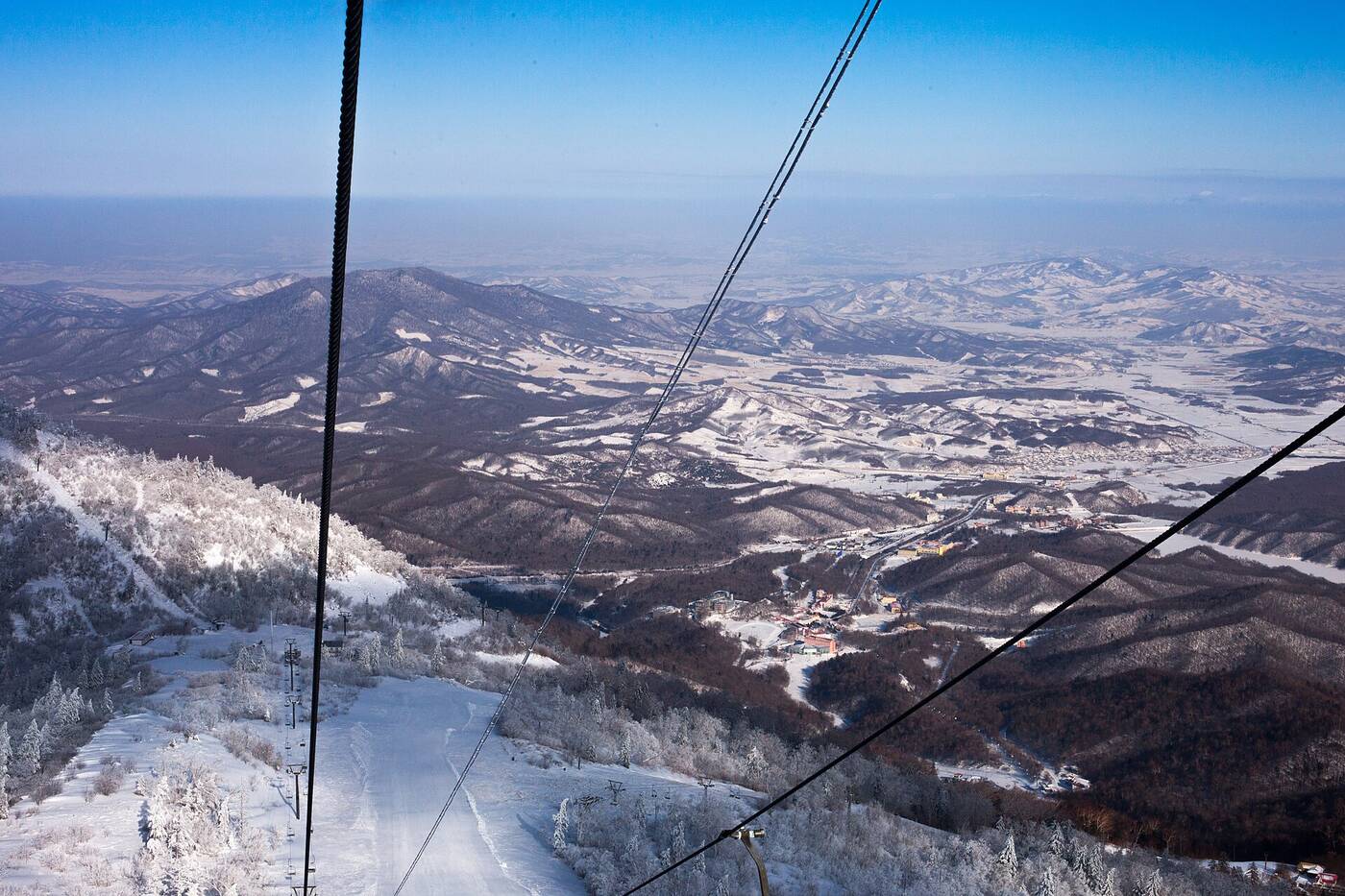
Shangzhi / Harbin, Heilongjiang
Vert
3,208'
Acres
1,200
Snow
130"
Lifts
8
Yabuli Ski Resort in Heilongjiang, CN
Chongli, Hebei
Vert
1,638'
Acres
900
Snow
110"
Lifts
5
Genting Secret Garden in Hebei, CN
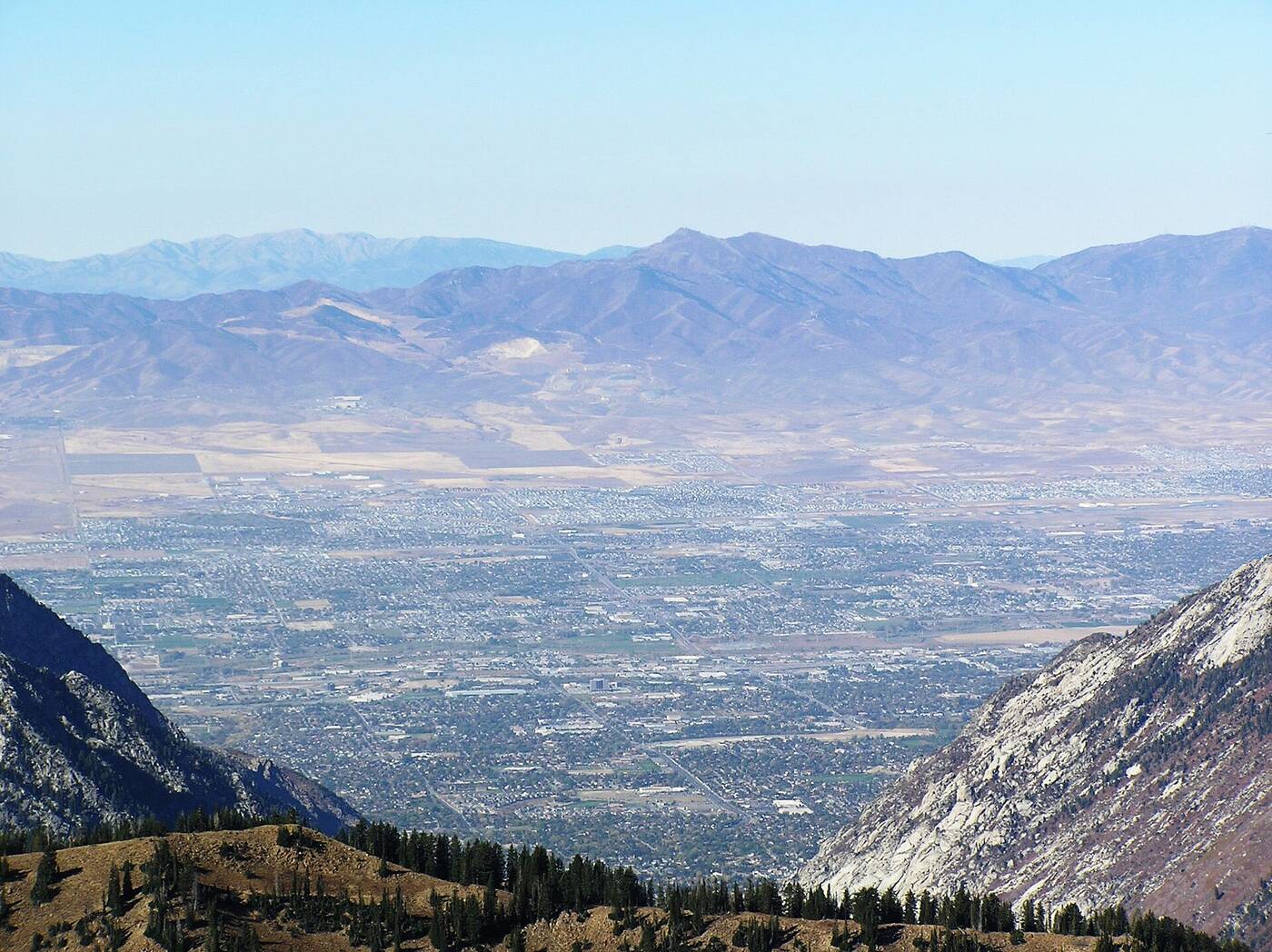
Pyeongchang, Gangwon
Vert
2,486'
Acres
850
Snow
100"
Lifts
14
Yongpyong Resort / Mona in Gangwon, KR
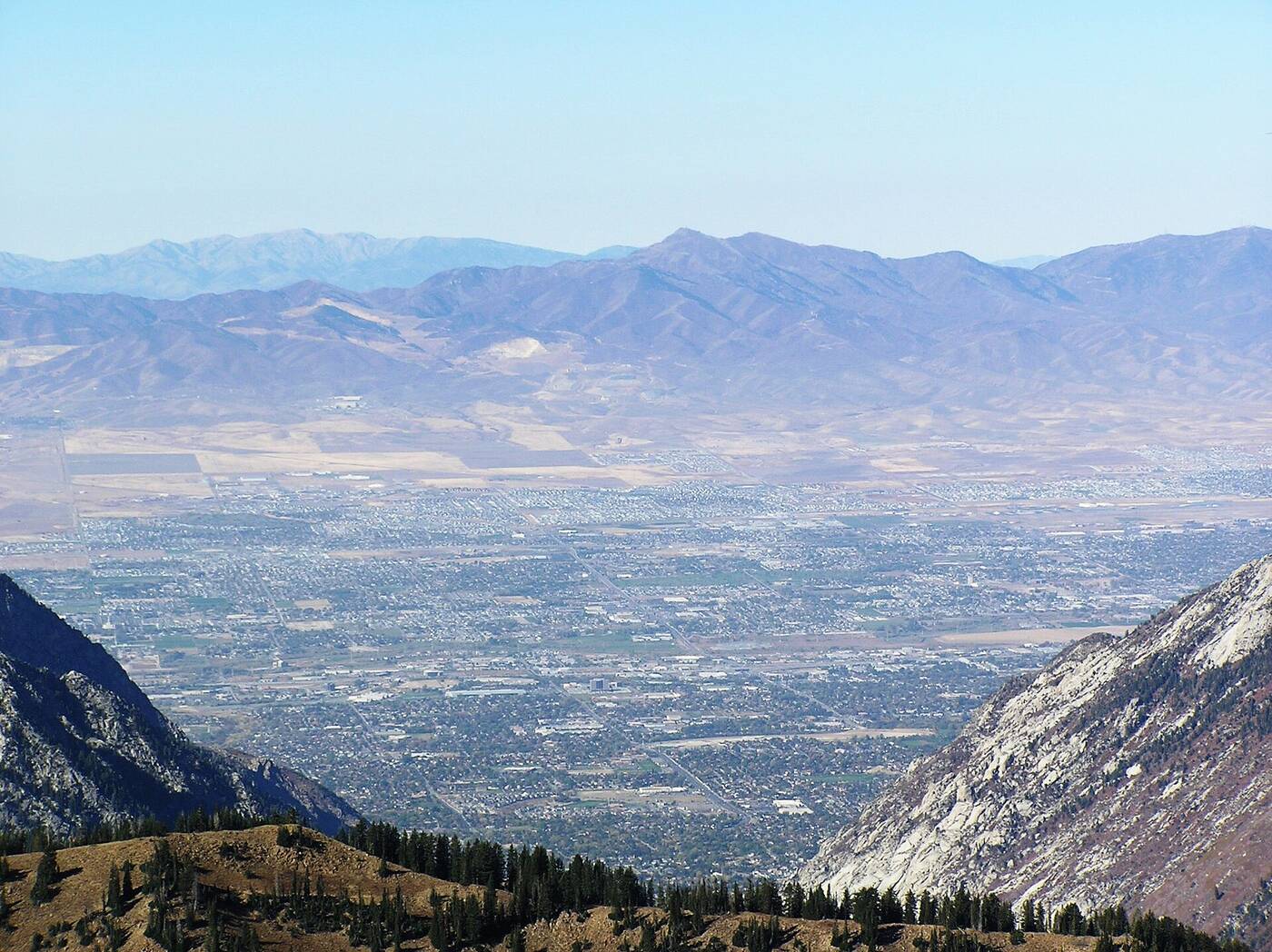
Chongli / Zhangjiakou, Hebei
Vert
1,805'
Acres
800
Snow
110"
Lifts
7
Wanlong Ski Resort in Hebei, CN
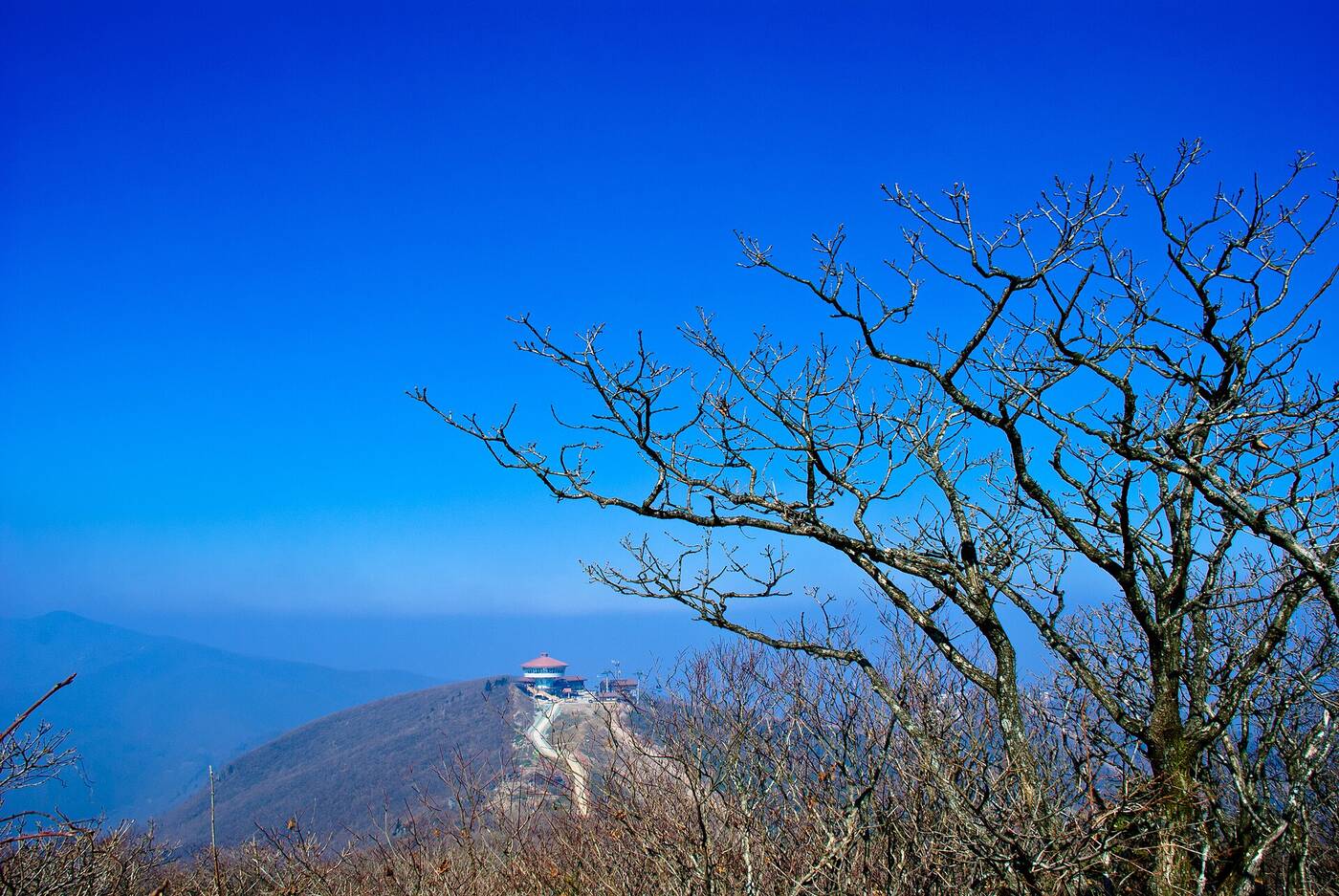
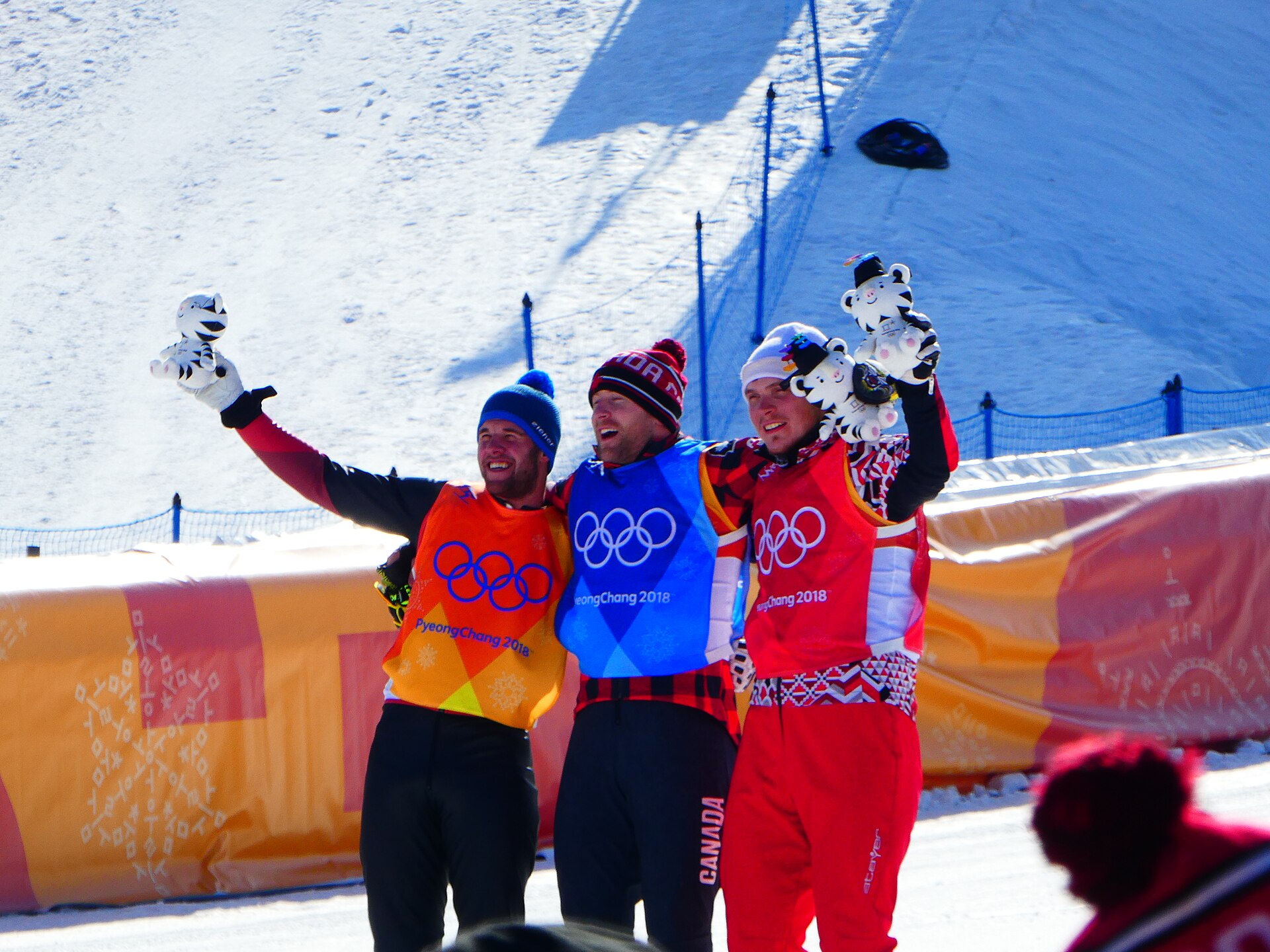
Pyeongchang, Gangwon
Vert
1,641'
Acres
500
Snow
80"
Lifts
8
Phoenix Snow Park in Gangwon, KR
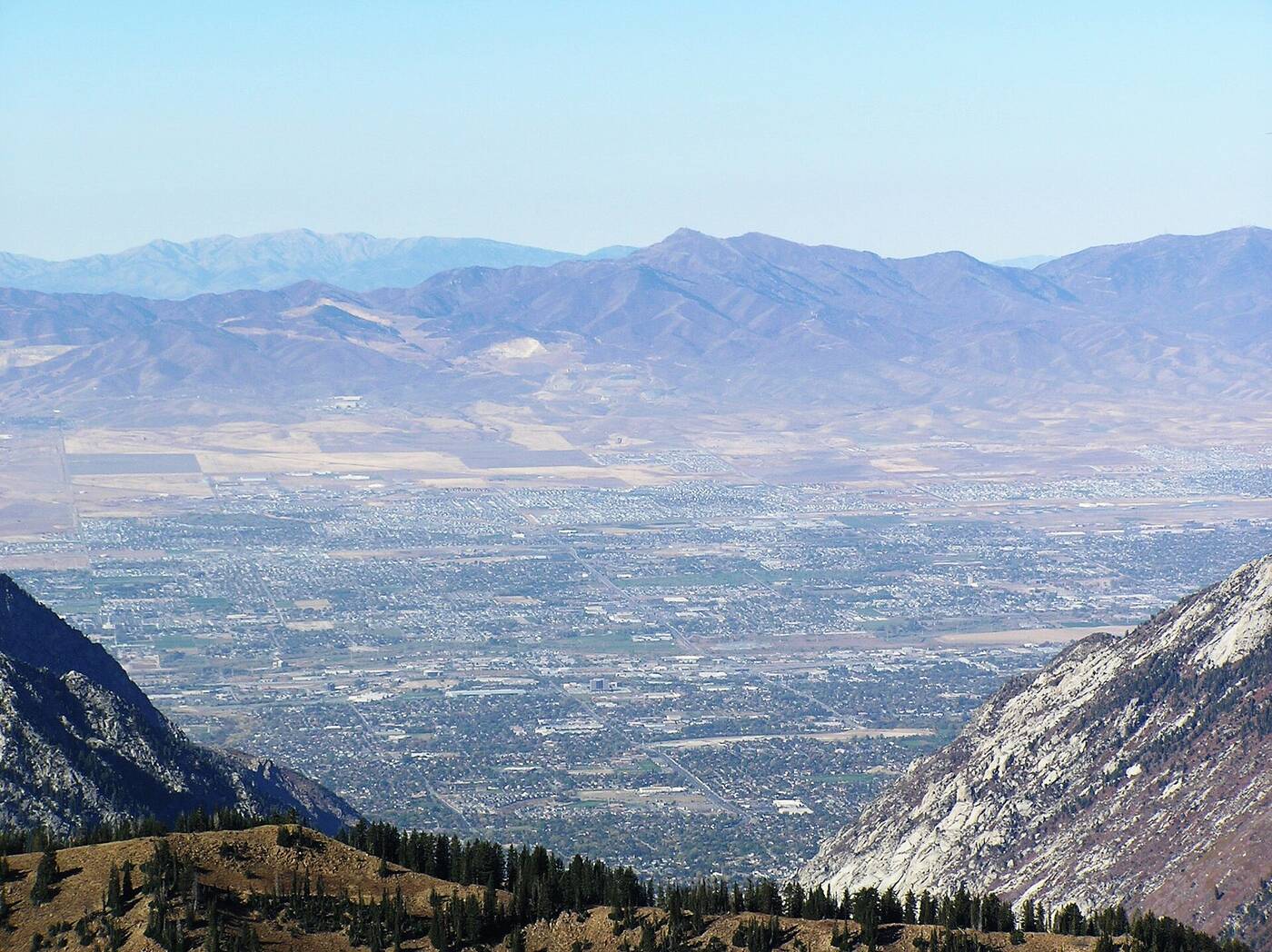
Baishan, Jilin
Vert
1,312'
Acres
850
Snow
160"
Lifts
7
Changbaishan Wanda Ski Resort in Jilin, CN
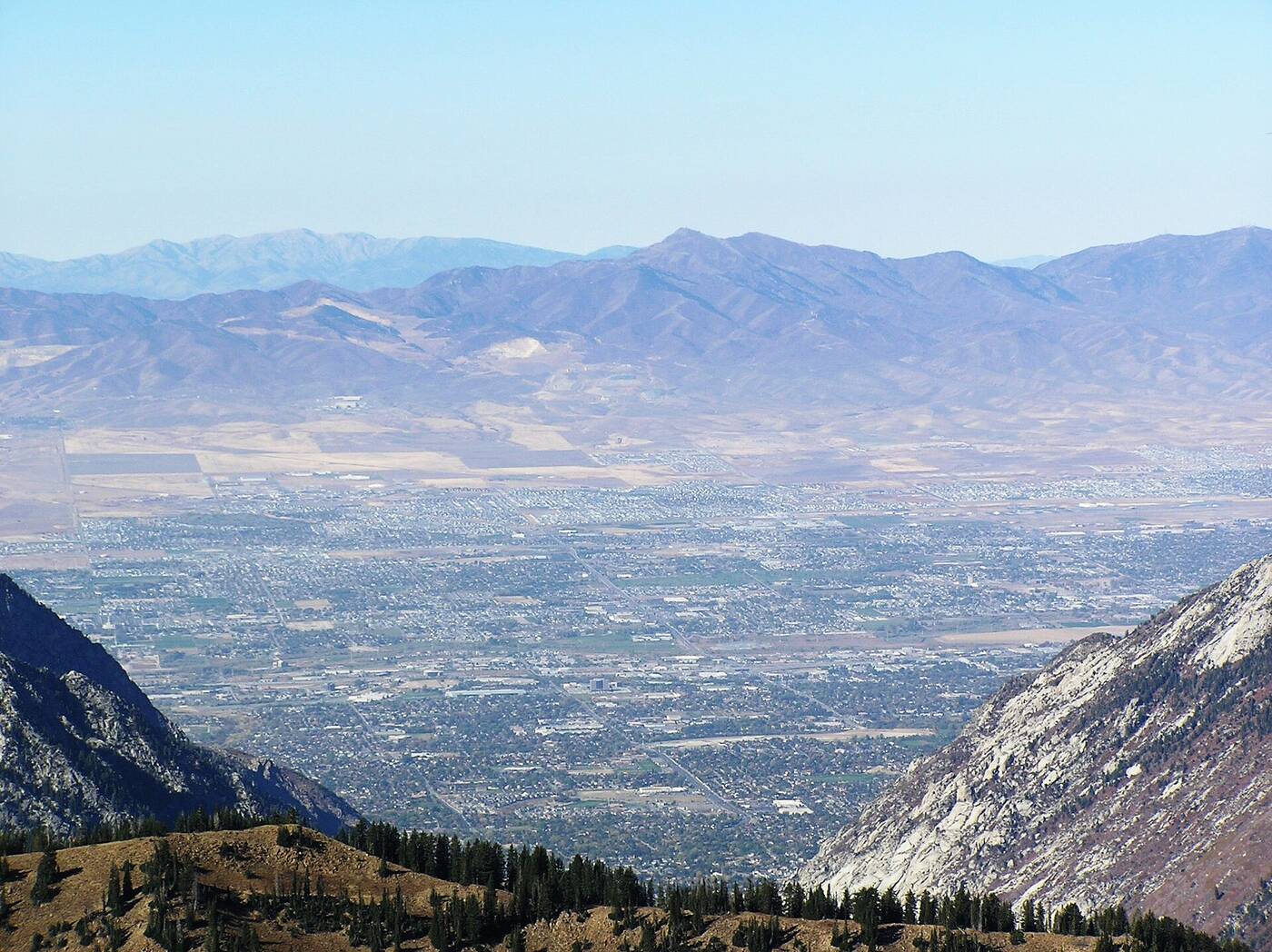
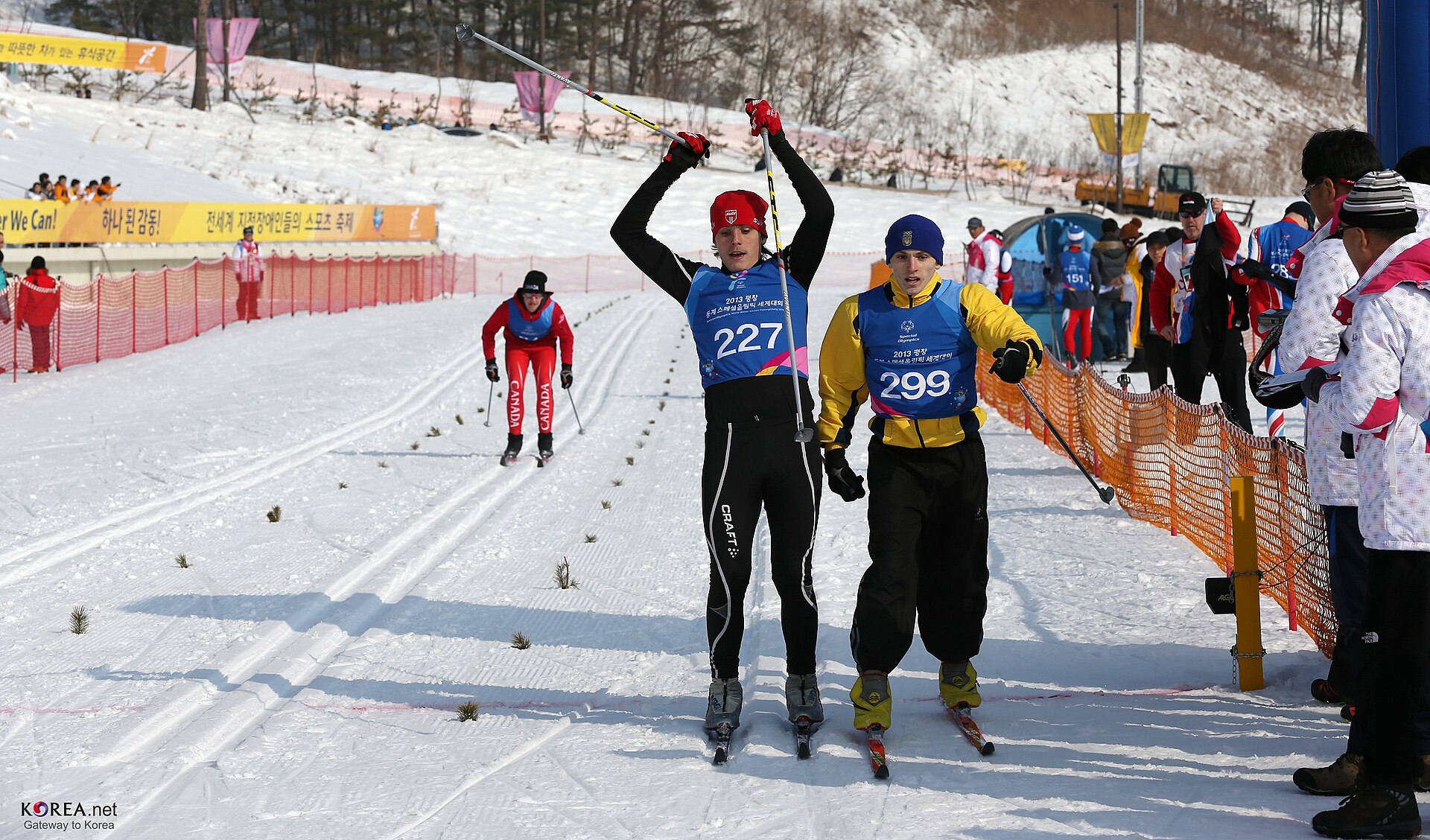
Yongpyong Resort (Mona Park) is the largest ski resort in South Korea, featuring 28 slopes, 14 lifts, and the host slopes for the 2018 Winter Olympic slalom and giant slalom events.
The KTX high-speed bullet train travels from Seoul Station to Pyeongchang (Jinbu Station) in just 70 to 85 minutes, where resort shuttle buses meet arriving trains.
Yes. Night skiing is an enormous part of Korean ski culture. Slopes are brilliantly illuminated by stadium lighting systems, allowing skiing and snowboarding until 10:00 PM or midnight.
Winters are dry, sunny, and very cold due to Siberian high-pressure systems. Warm technical base layers, windproof outerwear, and face masks are essential.